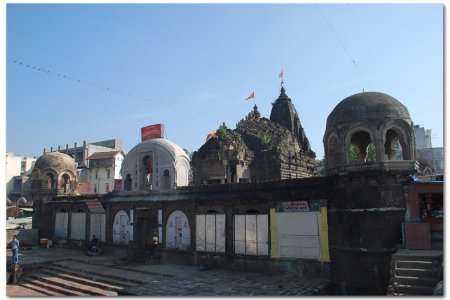
Located in the sacred Panchavati area of Nashik, on the banks of the Godavari River, Naroshankar Mandir is one of the city's most prominent historic temples. Dedicated to Lord Shiva, the temple is particularly famous for its impressive Maratha-era architecture and the historic Naroshankar Bell (Naroshankar Ghanta).
Built in 1747 during the Peshwa period, the temple is an important part of Nashik's religious and cultural heritage. Its location near the Godavari ghats and other famous Panchavati temples makes it a popular destination for devotees, history enthusiasts, architecture lovers, and tourists.
Naroshankar Mandir was built in 1747 by Naroshankar Rajebahadur (Dani), a prominent Maratha noble.
The temple is dedicated to Lord Shiva, worshipped here as Rameshwar Mahadev. Over the centuries, it has remained an important religious site and has become a significant part of Nashik's historic temple landscape.
The temple's architecture and location also reflect the importance of the Godavari River and Panchavati as a major religious center.
One of the most distinctive features of Naroshankar Mandir is the historic Naroshankar Bell, popularly known as Naroshankar Ghanta.
According to the historical tradition associated with the bell, it was brought from Vasai Fort after the Marathas defeated the Portuguese in 1739. The bell was subsequently installed at the temple and became associated with the Maratha victory.
The bell has since become one of the recognizable symbols of Nashik's historical heritage.
The phrase "Naroshankarachi Ghanta" is also widely known in Maharashtra, adding a cultural connection between the temple and the city's identity.
Naroshankar Mandir is admired for its traditional stone craftsmanship and historic architectural character.
The temple showcases a blend of Maratha, Rajasthani, and Gujarati architectural influences, making it an interesting destination for visitors interested in heritage architecture.
Key architectural features include:
Finely carved stone construction
Decorative pillars
Elegant arches
Intricate sculptures
Traditional temple elements
A prominent shikhara (spire)
The temple's position beside the Godavari River adds to its visual and spiritual appeal, particularly when viewed together with the historic ghats surrounding it.
The temple's location on the banks of the Godavari River is an important part of its character.
Panchavati has long been associated with religious traditions, sacred bathing ghats, temples, and pilgrimage activities. Visitors can experience the combination of temple architecture and the riverside atmosphere while exploring this historic part of Nashik.
The surrounding Godavari ghats also become important gathering places during major religious occasions.
Panchavati and the Godavari ghats have an important place in Nashik's pilgrimage landscape during the Nashik Kumbh Mela.
The wider Panchavati area, including important temples and sacred ghats, becomes part of the religious experience for pilgrims visiting Nashik.
Visitors planning a Kumbh pilgrimage can include Naroshankar Mandir along with other nearby heritage and religious attractions, subject to local access arrangements and crowd-management guidelines during the event.
The temple's location in Panchavati makes it convenient to explore several important religious and historical destinations nearby.
The historic bell is one of the most recognizable features associated with the temple and an important part of Nashik's Maratha heritage.
The nearby ghats provide visitors with a connection to the sacred Godavari River and the religious traditions of Panchavati.
Ramkund is one of the most important pilgrimage sites in Nashik and is located within the Panchavati area.
Kalaram Temple is another major historic temple associated with the religious heritage of Panchavati.
Dedicated to Lord Shiva, Kapaleshwar Mahadev Temple is another important spiritual destination in the area.
The historic Sundarnarayan Mandir, dedicated to Lord Vishnu, can also be included in a Panchavati temple tour.
Sita Gufa is another well-known religious attraction associated with the traditional Ramayana heritage of Panchavati.
Together, these destinations make Panchavati an important religious, cultural, and heritage tourism area in Nashik.
Naroshankar Mandir observes important Hindu religious occasions, with Mahashivratri being particularly significant for devotees of Lord Shiva.
The wider Panchavati and Nashik region also experiences large gatherings during major pilgrimage events, including the Nashik Kumbh Mela.
During such occasions, visitors should expect increased crowds and should follow local administration and temple guidelines.
The period from October to March is generally comfortable for visiting Nashik and exploring the temple and nearby attractions.
Devotees may also visit during Mahashivratri and other religious occasions to experience the temple's devotional atmosphere.
For visitors planning a Panchavati sightseeing tour, mornings and evenings can also be suitable for exploring the riverside area, depending on local conditions and temple timings.
Naroshankar Mandir is located in Panchavati, approximately 2 km from Nashik CBS Bus Stand.
Visitors can reach the temple using:
Local buses
Auto-rickshaws
Taxis
Private vehicles
Its central location makes it convenient to combine with other Panchavati attractions.
Nashik Road Railway Station is approximately 10 km from the temple.
From the railway station, visitors can use taxis, auto-rickshaws, buses, or private vehicles to reach Panchavati.
The nearest airport is Nashik Airport at Ozar, approximately 25 km from the temple.
Visitors can continue their journey from the airport by taxi or private vehicle.
Naroshankar Mandir is located in Panchavati, Nashik, on the banks of the Godavari River.
The temple is dedicated to Lord Shiva, worshipped here as Rameshwar Mahadev.
The temple was built in 1747 during the Peshwa period by Naroshankar Rajebahadur (Dani).
The temple is particularly famous for its historic architecture, riverside location, and Naroshankar Bell, which is associated with Maratha history.
The Naroshankar Bell, or Naroshankar Ghanta, is a historic bell traditionally associated with the Maratha victory over the Portuguese at Vasai in 1739.
The temple is known for a combination of Maratha, Rajasthani, and Gujarati architectural influences, along with detailed stone craftsmanship.
The temple is approximately 2 km from Nashik CBS Bus Stand.
Nashik Road Railway Station is approximately 10 km from the temple.
Important nearby attractions include Ramkund, Kalaram Temple, Kapaleshwar Mahadev Temple, Sundarnarayan Mandir, Sita Gufa, and the Godavari River ghats.
Yes. The temple is located in Panchavati, an important religious area of Nashik. Visitors can include it in their wider Panchavati and Godavari pilgrimage itinerary, subject to access and crowd-management arrangements during major events.
Naroshankar Mandir offers a unique combination of spirituality, history, architecture, and riverside heritage.
For devotees, it is an important Shiva temple. For history enthusiasts, the Naroshankar Bell and Peshwa-era connection provide an insight into Maharashtra's past. Architecture lovers can appreciate the temple's detailed stonework and blend of regional styles.
Its location in Panchavati also makes it particularly valuable for travelers who want to explore several important religious and historical places within a single Nashik itinerary.
Naroshankar Mandir, Nashik is much more than an old Shiva temple. Its connection with the Peshwa period, the historic Naroshankar Bell, traditional architecture, and location beside the sacred Godavari River make it an important part of Nashik's cultural heritage.
Located in the heart of Panchavati, the temple can be conveniently included in a Nashik temple tour, Panchavati heritage walk, spiritual journey, or Kumbh pilgrimage itinerary.
For anyone interested in Nashik's historic temples, Lord Shiva, Maratha heritage, Panchavati, or the Godavari River, Naroshankar Mandir is a destination worth exploring.
Local Tips & Insider Advice for Visitors Combine Naroshankar Mandir with nearby Ramkund, Kalaram Temple, Kapaleshwar Temple, Sundarnarayan Mandir, and Sita Gufa for a complete Panchavati tour. Check the latest temple timings before planning your visit. During Mahashivratri, Kumbh-related gatherings, and other major religious occasions, expect larger crowds. Follow temple rules regarding footwear, photography, and visitor access. Wear comfortable footwear if you plan to explore several nearby temples and Godavari ghats on foot. Keep extra time for exploring the historic surroundings rather than visiting the temple only as a quick stop. During monsoon, check local weather and Godavari River conditions before visiting riverside areas. During major pilgrimage events, follow traffic, parking, security, and crowd-management instructions issued by local authorities
Budget Rooms in Nashik | Guest Houses in Nashik | Hotels in Nashik | Lodges in Nashik | Tent Bookings in Nashik
Astrologers in Nashik | Autos/Taxis in Nashik | Bus Services in Nashik | Car Rentals in Nashik | Hospitals in Nashik | Pandits in Nashik | Puja Bookings in Nashik | Tour & Travels in Nashik
Shree Sant Nivruttinath Maharaj Samadhi Mandir, Trimbakeshwar, Nashik | Shri Swaminarayan Mandir, Nashik | Kevdiban Mhasoba Maharaj Temple, Nashik | Tringalwadi Fort, Igatpuri, Nashik | Ghatandevi Temple, Igatpuri, Nashik | Dhamma Giri Vipassana Centre, Igatpuri, Nashik | Vaitarna Dam, Igatpuri, Nashik | Kushavarta Kund, Trimbakeshwar, Nashik | Renuka Mata Mandir, Chandwad, Nashik | Ganga Godavari Temple, Nashik | Kalsubai Trek, Nashik | Ramshej Fort, Nashik | नाशिकची आकर्षणे मधील सर्व पहा