List Business
Sinhastha Parva · July – September 2027

Experience the Divine Journey of Nashik Kumbh Mela 2027

A once-in-twelve-years confluence of faith, fire and the sacred Godavari. Plan your pilgrimage with verified stays, trusted guides, and the city's most complete spiritual directory.

Updates
Sinhastha Kumbh Mela 2027 · Nashik & Trimbakeshwar, Maharashtra Shahi Snan Dates — July to September 2027 · Mark your calendar 12 Crore+ Pilgrims Expected · World's Largest Peaceful Gathering Sacred Ghats: Ramkund · Kushawart · Somkund · Kapileshwar · Gorakund Emergency Helpline: 1800-000-NASHIK · Available 24 × 7 Trimbakeshwar Jyotirlinga · Panchavati · Godavari Sangam Find Verified Hotels, Dharamshalas & Guides on Our Portal Sinhastha Kumbh Mela 2027 · Nashik & Trimbakeshwar, Maharashtra Shahi Snan Dates — July to September 2027 · Mark your calendar 12 Crore+ Pilgrims Expected · World's Largest Peaceful Gathering Sacred Ghats: Ramkund · Kushawart · Somkund · Kapileshwar · Gorakund Emergency Helpline: 1800-000-NASHIK · Available 24 × 7 Trimbakeshwar Jyotirlinga · Panchavati · Godavari Sangam Find Verified Hotels, Dharamshalas & Guides on Our Portal
Plan Every Detail

Explore Listing Categories

From luxury hotels to humble dharamshalas, certified guides to medical aid — every service a pilgrim could need, in one trusted place.

The Sacred Gathering

Where Heaven Touches the Godavari

The Nashik Kumbh Mela 2027 — known as Sinhastha because Jupiter enters the Leo (Sinha) zodiac — is one of the four great Kumbh gatherings of India. Held once every twelve years on the banks of the holy Godavari River, it transforms Nashik and Trimbakeshwar into a glowing constellation of saffron, sacred fire and ancient chants.

According to scripture, when the celestial pot of Amrit (the nectar of immortality) was carried across the heavens, four drops fell to earth — Prayagraj, Haridwar, Ujjain and Nashik. Bathing in the Godavari during this auspicious window is believed to liberate the soul from the cycle of birth and death.

Beyond its spiritual depth, Kumbh is also the world's largest peaceful gathering of human beings — a living museum of Akhadas, Naga Sadhus, classical music, Vedic discourse, and centuries-old tradition. It is India at its most timeless.

Our portal exists to guide every pilgrim — from the elder making a lifelong dream journey to the first-time international traveller — through verified accommodation, trusted local guides, emergency services, transport, and the breathtaking heritage of Nashik itself: Trimbakeshwar Jyotirlinga, Panchavati, Ramkund, the vineyards of Sula, and the timeless ghats where the river itself becomes prayer.

Beyond the Mela

Nashik's Timeless Attractions

Sacred temples, hidden ghats, sun-drenched vineyards and Hanuman's birthplace — all within a short drive of the Mela grounds.

Shree Sant Nivruttinath Maharaj Samadhi Mandir, Trimbakeshwar, Nashik

Shree Sant Nivruttinath Maharaj Samadhi Mandir, Trimbakeshwar, Nashik

30km

Shree Sant Nivruttinath Maharaj Samadhi Mandir, Trimbakeshwar, Nashik Shree Sant Nivruttinath Maharaj Samadhi Mandir is one of the important spiritual and pilgrimage destinations in Trimbakeshwar, Nashik, Maharashtra. The sacred shrine is associated with Sant Nivruttinath Maharaj, one of the most respected saints in the Nath and Warkari traditions. Located in the holy town of Trimbakeshwar, the Samadhi Mandir attracts devotees, Warkaris and spiritual seekers throughout the year. Who Was Sant Nivruttinath Maharaj? Sant Nivruttinath Maharaj was the elder brother and spiritual guru of Sant Dnyaneshwar Maharaj. He became a disciple of Gahininath, one of the revered Nath yogis. Sant Nivruttinath later guided Sant Dnyaneshwar on his spiritual journey. He played an important role in the spiritual tradition that influenced the development of the Warkari Sampradaya in Maharashtra. According to the Nashik district administration, Sant Nivruttinath Maharaj took Sanjivan Samadhi at Trimbakeshwar at the age of 24. Religious Significance of the Samadhi Mandir The Samadhi Mandir is considered a sacred place by followers of Sant Nivruttinath Maharaj and the Warkari tradition. Devotees visit the Samadhi to offer prayers, seek blessings and experience the peaceful spiritual atmosphere associated with the saint. The temple is especially significant for devotees who follow the teachings and devotional tradition of the Nath and Warkari sampradayas. The Samadhi is traditionally associated with the year 1219, according to local historical information about the temple. Nivruttinath Maharaj Palkhi Sohala One of the most important traditions connected with Sant Nivruttinath Maharaj is the annual Palkhi pilgrimage from Trimbakeshwar to Pandharpur. Every year, devotees and Warkaris participate in this spiritual journey carrying the palkhi of Sant Nivruttinath Maharaj. The pilgrimage is filled with devotional singing, abhangs, bhajans and traditional Warkari practices. The palkhi journey connects Trimbakeshwar with Pandharpur, one of Maharashtra's most important pilgrimage centres. Annual Samadhi Ceremony The annual Samadhi ceremony of Sant Nivruttinath Maharaj is an important religious occasion. A traditional celebration is organised in Trimbakeshwar, attracting devotees and Warkaris from different parts of Maharashtra. Dnyaneshwari Parayan and other devotional programmes are also associated with the annual celebration. During these religious occasions, Trimbakeshwar experiences a special spiritual atmosphere as large numbers of devotees gather for darshan and devotional activities. Temple Location Shree Sant Nivruttinath Maharaj Samadhi Mandir is located on Nivrutti Nath Road, Trimbak, Nashik, Maharashtra – 422212. The temple is situated close to the major pilgrimage attractions of Trimbakeshwar, making it convenient to include in a spiritual tour. Nearby Places to Visit Visitors can combine their visit to the Samadhi Mandir with other important attractions around Trimbakeshwar: - Trimbakeshwar Jyotirlinga Temple - Kushavarta Tirth - Brahmagiri Hill - Godavari River Origin - Gajanan Maharaj Temple - Anjaneri Hills - Neel Parvat - Gangadwar Trimbakeshwar itself is one of India's important pilgrimage towns and is home to one of the 12 Jyotirlingas of Lord Shiva. How to Reach By Road Trimbakeshwar is approximately 28–30 km from Nashik city and is well connected by road. State transport buses and private vehicles are available from Nashik to Trimbakeshwar. By Train The nearest major railway station is Nashik Road Railway Station, approximately 40 km from Trimbakeshwar. From Nashik Road, visitors can continue by taxi, bus or other local transport. By Air Nashik International Airport at Ozar is the nearest airport mentioned by the Nashik district administration, approximately 24 km from Nashik city. Best Time to Visit The Samadhi Mandir can be visited throughout the year. Devotees interested in experiencing major religious celebrations can plan their visit around the annual Nivruttinath Maharaj Punyatithi and Palkhi celebrations. For a quieter spiritual experience, early morning or evening visits can be considered. Temple Timings Local listings currently show the temple as generally open from 9:00 AM to 7:00 PM. Visitors should confirm the latest timings locally before travelling, particularly during festivals and special religious events. Travel Tips for Devotees - Maintain silence and cleanliness inside the temple premises. - Wear modest and comfortable clothing. - Follow temple rules and instructions. - During major religious events, expect large crowds. - Plan extra travel time during the Palkhi procession. - Carry drinking water, especially during long pilgrimage journeys. - Check current temple timings before visiting. Why Visit Sant Nivruttinath Maharaj Samadhi Mandir? Sant Nivruttinath Maharaj Samadhi Mandir is more than a temple—it is an important part of Maharashtra's spiritual and Warkari heritage. Its connection with Sant Nivruttinath Maharaj, Sant Dnyaneshwar Maharaj and the Nath tradition makes it a significant destination for pilgrims and visitors interested in Maharashtra's religious history. Conclusion Shree Sant Nivruttinath Maharaj Samadhi Mandir, Trimbakeshwar is a sacred pilgrimage destination associated with one of Maharashtra's most revered saints. The Samadhi, the annual Palkhi tradition and the temple's connection with the Nath and Warkari traditions give this place a unique spiritual importance. For anyone exploring the religious heritage of Nashik and Trimbakeshwar, a visit to Sant Nivruttinath Maharaj Samadhi Mandir is a meaningful addition to the pilgrimage itinerary. https://nashikkumbhmelaguide.com/

Get Directions
Shri Swaminarayan Mandir, Nashik

Shri Swaminarayan Mandir, Nashik

3km

BAPS Shri Swaminarayan Mandir, Nashik – A Peaceful Spiritual Destination BAPS Shri Swaminarayan Mandir, Nashik is a beautiful Hindu temple located in the Kevadivan area of Panchavati, Nashik, Maharashtra. The temple is a peaceful destination for devotees and visitors who wish to experience spirituality, devotion and the rich religious culture of Nashik. The mandir is part of the BAPS Swaminarayan Hindu tradition and features several beautifully worshipped deities, including Bhagwan Swaminarayan, Shri Krishna and Radhaji, Shri Ram and Sitaji, Shri Shankar and Parvatiji, Shri Narayan and Lakshmiji, Shri Hanumanji and Shri Ganeshji. Religious Significance The Swaminarayan tradition places importance on devotion, spiritual discipline, moral living and service to society. The Nashik mandir provides devotees with a peaceful environment for darshan, prayer, arti and satsang. The temple also conducts regular spiritual assemblies and religious celebrations throughout the year. BAPS records events such as Diwali and Annakut, Hindola Festival and Chandan Adornments at the Nashik mandir. Deities at the Mandir According to the official BAPS mandir information, visitors can have darshan of several revered murtis, including: - Shri Ghanshyam Maharaj - Bhagwan Shri Swaminarayan and Shri Gunatitanand Swami - Shri Harikrishna Maharaj - Shri Krishna Bhagwan and Radhaji - Shri Ram Bhagwan and Sitaji - Bhagwan Shri Shankar and Shri Parvatiji - Bhagwan Shri Narayan and Shri Lakshmiji - Shri Hanumanji - Shri Ganeshji - Shri Vitthal Bhagwan and Rukmaniji - Shri Nilkanth Varni The mandir also honours the BAPS guru parampara. Daily Arti and Darshan Timings The official BAPS visitor information currently lists the following schedule: - Mangla Arti: 6:00 AM - Shangar Arti: 7:30 AM - Rajbhog Arti: 11:15 AM - Sandhya Arti: 7:00 PM - Shayan Arti: 8:15 PM Mandir visitor hours are divided around the daily Thal and afternoon closure periods. The official schedule lists visitor access from 7:30 AM to 10:15 AM, 11:15 AM to 12:00 noon, 4:00 PM to 6:00 PM, and 7:00 PM to 8:15 PM. Timings can change during festivals or special occasions, so visitors should check the official BAPS visitor information before travelling. Satsang and Spiritual Activities The Nashik mandir is also a centre for spiritual learning and community activities. The official visitor information lists a daily Sabha from 8:00 AM to 9:00 AM and a Sunday Satsang Sabha from 5:00 PM to 7:00 PM. Festivals and Celebrations Various Hindu festivals and special occasions are celebrated at the mandir. Diwali and Annakut are among the prominent celebrations associated with BAPS mandirs. Other programmes and devotional activities are also organised during the year. These celebrations provide visitors with an opportunity to experience devotional music, traditional rituals, cultural activities and community participation. Location BAPS Shri Swaminarayan Mandir, Nashik Kevadivan, Behind Dental College, Panchavati, Mumbai–Agra Highway, Nashik, Maharashtra – 422003, India. The temple is situated in the Panchavati area, making it convenient to combine a visit to the mandir with other important religious and tourist attractions in Nashik. Nearby Places to Visit Visitors can plan a Nashik spiritual tour covering: - Panchavati - Ramkund - Kalaram Temple - Sita Gufa - Godavari River - Tapovan - Muktidham Temple - Trimbakeshwar Jyotirlinga Travel Tips - Dress modestly and respectfully when visiting the temple. - Maintain silence and cleanliness inside the temple premises. - Follow the instructions given by temple volunteers. - Check the latest darshan timings before visiting. - During major festivals, the temple may attract larger crowds. - Photography rules should be followed according to temple guidelines. Why Visit BAPS Shri Swaminarayan Mandir, Nashik? BAPS Shri Swaminarayan Mandir is a wonderful place to include in a Nashik temple tour. Its peaceful atmosphere, devotional environment, spiritual activities and variety of revered deities make it an interesting destination for pilgrims, families and tourists. Conclusion BAPS Shri Swaminarayan Mandir, Nashik is an important spiritual destination in the Panchavati area. Whether you are visiting Nashik for pilgrimage, exploring its temples or preparing for a larger religious journey, the mandir offers a peaceful setting for prayer, darshan and spiritual reflection. For visitors exploring the religious heritage of Nashik, this temple can be an excellent addition to a Nashik Temple Tour and Kumbh Mela pilgrimage itinerary.

Get Directions
Kevdiban Mhasoba Maharaj Temple, Nashik

Kevdiban Mhasoba Maharaj Temple, Nashik

5km

Kevdiban Mhasoba Maharaj Temple, Nashik – A Peaceful Spiritual Destination Kevdiban Mhasoba Maharaj Temple is a revered local temple situated in Vaishnavi Park on Kevdiban Road, Nashik, Maharashtra. The temple is visited by devotees seeking blessings and experiencing the peaceful spiritual atmosphere of this part of Nashik. About Kevdiban Mhasoba Maharaj Temple Kevdiban Mhasoba Maharaj Temple is an important local place of worship in Nashik. The temple is associated with Mhasoba Maharaj, a deity traditionally worshipped in many parts of Maharashtra. The temple has a simple and peaceful environment, making it suitable for devotees who wish to spend some quiet time in prayer. Local visitors and devotees from surrounding areas regularly visit the temple. Religious Significance Mhasoba Maharaj is traditionally revered as a powerful local deity in Maharashtra. Devotees visit the temple to offer prayers and seek blessings for peace, prosperity and well-being. The temple's local religious importance makes it an interesting stop for visitors exploring Nashik's lesser-known spiritual destinations. A Unique Local Attraction One local account mentions a small water pond or kund associated with the temple and describes it as having remained filled for a very long period. Such local traditions add to the cultural and spiritual interest of Kevdiban Mhasoba Maharaj Temple. Location Kevdiban Mhasoba Maharaj Temple Vaishnavi Park, Kevdiban Road, Nashik, Maharashtra – 422003, India. The temple is located in the Nashik city area and can be reached by local road transport. Best Time to Visit Devotees can generally visit the temple during the morning or evening for a peaceful darshan. Visitors should check locally for the latest temple timings, especially during festivals and special religious occasions. Nearby Attractions Visitors exploring Nashik can also plan a spiritual and cultural tour covering several famous places such as: - Panchavati - Ramkund - Kalaram Temple - Sita Gufa - Godavari River - Muktidham Temple - Tapovan - Trimbakeshwar Jyotirlinga Nashik is well known for its large number of temples and pilgrimage sites, particularly around Panchavati and the Godavari River. Travel Tips - Wear appropriate and respectful clothing while visiting the temple. - Maintain cleanliness around the temple premises. - Follow local temple rules and instructions. - During festivals, expect larger crowds. - Confirm timings before planning a dedicated visit. Why Visit Kevdiban Mhasoba Maharaj Temple? Kevdiban Mhasoba Maharaj Temple offers visitors an opportunity to discover a lesser-known spiritual place in Nashik. Its peaceful atmosphere, local religious traditions and connection with the surrounding Nashik heritage make it worth including in a local temple tour. Conclusion Kevdiban Mhasoba Maharaj Temple, Nashik is a peaceful local pilgrimage destination for devotees and travelers interested in exploring the spiritual heritage of Nashik. Along with the city's famous temples and pilgrimage centres, this temple provides an opportunity to experience the local devotional traditions of Maharashtra.

Get Directions
Tringalwadi Fort, Igatpuri, Nashik

Tringalwadi Fort, Igatpuri, Nashik

55km

Tringalwadi Fort, Igatpuri, Nashik – A Historic Fort in the Sahyadri Mountains Tringalwadi Fort is a historic hill fort located near Igatpuri in Nashik district, Maharashtra. Situated at an altitude of around 3,000 feet, the fort is surrounded by the magnificent Sahyadri ranges and offers spectacular views of the valleys, hills, forests, and nearby water bodies. Today, Tringalwadi Fort is a popular destination for trekkers, history enthusiasts, photographers, and nature lovers. Maharashtra Tourism also highlights the fort as one of the important attractions around Igatpuri. Historical Significance Tringalwadi Fort occupies an important strategic location in the Western Ghats. According to Incredible India, the fort was built in 1594 CE during the reign of the Nizam Shahi dynasty of Ahmednagar and was strategically positioned to guard and control the ancient Thal Ghat trade route connecting the Deccan region with the Konkan. The fort's location allowed its defenders to observe movement through the surrounding mountain passes and valleys. This strategic importance made Tringalwadi an important part of the region's historic fort network. Architecture and Fort Remains Although much of the original fortification has been affected by time, visitors can still find interesting historic features around the fort. The fort and its surrounding area are known for: - Ancient rock-cut caves - Stone steps - Remains of fortifications - Rock-cut water tanks - Historic gateways - Temple structures - Panoramic viewpoints The rock-cut caves near the base of the fort are an especially interesting feature for visitors interested in the area's religious and architectural history. Tringalwadi Jain Caves One of the fascinating attractions associated with the fort is the group of ancient Jain caves near its base. These rock-cut caves are believed to be considerably older than the present fort structure and demonstrate the long historical and religious significance of the area. The caves add another dimension to a visit to Tringalwadi, combining trekking, history, archaeology, and spirituality in one destination. Trekking Experience The trek to Tringalwadi Fort is considered a moderate trekking experience and is popular among adventure enthusiasts. The trail passes through fields, forested sections, rocky terrain, and steep portions before reaching the fort. The climb provides beautiful views of the surrounding Sahyadri landscape. At higher points, trekkers can enjoy panoramic views of: - Tringalwadi Lake - Igatpuri hills - Sahyadri mountain ranges - Surrounding valleys - Nearby forts and peaks Maharashtra Tourism specifically describes the trek as a moderate route with panoramic views of the Western Ghats and Tringalwadi Lake. Tringalwadi Fort and Nature The fort is located in one of the most scenic parts of the Igatpuri region. During the monsoon, the surrounding landscape becomes lush green, while mist frequently covers the hills. Seasonal streams and waterfalls add to the beauty of the region. Winter provides clearer mountain views and comfortable trekking conditions. This combination of historic ruins and Sahyadri scenery makes Tringalwadi Fort an excellent destination for photography. Best Time to Visit The best time to visit Tringalwadi Fort is generally from June to February. Monsoon – June to September The hills become lush green and the landscape looks spectacular. However, trails can become slippery during heavy rainfall, so trekkers should take extra care. Winter – October to February The weather is generally pleasant and visibility is often better, making this an excellent period for trekking, photography, and sightseeing. How to Reach Tringalwadi Fort By Road Tringalwadi is located in the Igatpuri region of Nashik district and can be reached by road from Nashik, Mumbai, and other nearby cities. Maharashtra Tourism lists Nashik at approximately 57 km and Mumbai at approximately 130 km from Igatpuri. After reaching the local base area, visitors need to continue on foot along the trekking route. By Rail Igatpuri Railway Station is the most convenient railway connection for visitors travelling by train. Igatpuri is an important railway junction on the Central Railway network. By Air Travellers can use Nashik Airport and continue the journey to Igatpuri by road. Mumbai Airport is another convenient option for visitors coming from distant locations. Nearby Attractions A visit to Tringalwadi Fort can be combined with several other attractions around Igatpuri: - Ghatandevi Temple - Dhamma Giri Vipassana Centre - Vihigaon/Ashoka Waterfall - Kavnai Fort - Kapildhara Tirth - Vaitarna region - Bhatsa River Valley - Igatpuri hills The region is particularly popular during the monsoon because of its waterfalls, hills, lakes, and green landscapes. Travel and Trekking Tips - Start the trek early in the morning. - Wear trekking shoes with good grip. - Carry sufficient drinking water and snacks. - During monsoon, be careful on wet rocks and slippery trails. - Avoid trekking during thunderstorms or extremely heavy rainfall. - Stay on the established trail. - Do not damage ancient caves, fort structures, or carvings. - Avoid littering and carry your waste back with you. - Check local weather and access conditions before travelling. Why Visit Tringalwadi Fort? Tringalwadi Fort offers a unique combination of history, adventure, archaeology, spirituality, and natural beauty. Unlike a conventional sightseeing destination, reaching the fort involves a trek, allowing visitors to experience the Sahyadri landscape along the way. The ancient caves, historic remains, mountain views, and peaceful surroundings make the journey particularly rewarding. Conclusion Tringalwadi Fort, Igatpuri, Nashik, is a fascinating destination for anyone interested in Maharashtra's forts and the natural beauty of the Sahyadri Mountains. With its historic connection to the ancient Thal Ghat trade route, rock-cut caves, trekking trail, and spectacular mountain scenery, the fort offers an unforgettable experience. Whether you are a trekker, history lover, photographer, nature enthusiast, or traveller exploring Nashik district, Tringalwadi Fort deserves a place on your Nashik travel itinerary.

Get Directions
Ghatandevi Temple, Igatpuri, Nashik

Ghatandevi Temple, Igatpuri, Nashik

50km

Ghatandevi Temple, Igatpuri, Nashik – The Guardian Goddess of the Ghats Ghatandevi Temple is a beautiful and spiritually significant temple located in Igatpuri, Nashik district, Maharashtra. Dedicated to Ghatandevi, the guardian goddess of the mountain ghats, the temple is surrounded by the magnificent Sahyadri ranges and offers breathtaking views of the surrounding mountains and valleys. The peaceful location, religious importance, and scenic surroundings make Ghatandevi Temple one of the must-visit attractions in Igatpuri. Religious Significance Ghatandevi is traditionally revered as the guardian and protector of the Ghats. Local belief holds that the goddess protects travellers who pass through the difficult mountain routes of the Western Ghats. For generations, travellers and devotees have stopped at the temple to seek the blessings of Ghatandevi before continuing their journey through the mountain region. The temple therefore represents a beautiful connection between faith, nature, and the historic mountain routes of Igatpuri. Scenic Location One of the biggest attractions of Ghatandevi Temple is its spectacular natural setting. The temple stands against the backdrop of prominent Sahyadri peaks, including: - Durvar Utvad - Harihar Fort region - Trimak - Surrounding Igatpuri hills The combination of the temple and dramatic mountain landscape makes the location particularly attractive for photography and nature lovers. Maharashtra Tourism describes the temple as a peaceful retreat surrounded by breathtaking natural beauty. Ghatandevi Temple and Igatpuri Igatpuri is a popular hill station in Nashik district, known for its cool climate, misty mountains, waterfalls, forts, and spiritual destinations. Ghatandevi Temple is an important part of the Igatpuri tourism circuit. Visitors can combine a temple visit with sightseeing around the Western Ghats. The area is especially beautiful during the monsoon when the hills become covered with lush green vegetation and mist. Temple Experience The peaceful atmosphere around the temple makes it suitable for: - Prayer and darshan - Meditation - Nature photography - Enjoying mountain views - Short family visits - Exploring the surrounding landscape Visitors can spend some quiet time at the temple while enjoying the scenic Sahyadri environment. Best Time to Visit Ghatandevi Temple can be visited throughout the year. Monsoon – June to September The monsoon is one of the most beautiful seasons in Igatpuri. The surrounding mountains become lush green and mist-covered, creating spectacular scenery. However, heavy rainfall can make roads and nearby trails slippery, so visitors should take appropriate precautions. Winter – October to February Winter offers pleasant weather and clearer views of the surrounding mountains. It is an excellent season for sightseeing, photography, and exploring nearby attractions. Nearby Attractions Ghatandevi Temple is conveniently located near several popular attractions in the Igatpuri region. Dhamma Giri The famous Dhamma Giri Vipassana International Academy is located in Igatpuri and is internationally known for Vipassana meditation courses. Tringalwadi Fort A popular trekking destination surrounded by the Sahyadri hills, Tringalwadi Fort offers beautiful views of the surrounding landscape. Bhatsa River Valley The Bhatsa River Valley is known for its scenic mountain landscape and waterfalls, particularly during the monsoon. Vihigaon Waterfall Vihigaon Waterfall, also known as Ashoka Waterfall, is another popular monsoon attraction near Igatpuri. Kavnai Fort and Kapildhara Tirth These destinations offer a combination of spirituality, history, trekking, and natural beauty. How to Reach Ghatandevi Temple By Road Igatpuri is well connected to Nashik and Mumbai by road. The town is located approximately 45 km from Nashik according to Nashik District Government tourism information. The temple can be reached by local transport, taxi, or private vehicle. By Rail Igatpuri Railway Station is an important railway station on the Central Railway route and is a convenient option for visitors travelling by train. By Air Travellers can use Nashik Airport (Ozar) and continue to Igatpuri by road. Visitors from farther destinations may also consider Mumbai Airport. Travel Tips - Visit early morning or evening for a peaceful experience. - Wear comfortable footwear. - During monsoon, be careful on wet and slippery surfaces. - Follow temple customs and maintain cleanliness. - Avoid littering in the surrounding hills. - Do not enter restricted or unsafe areas. - Carry drinking water during sightseeing. - Check weather conditions before travelling during heavy monsoon rainfall. Why Visit Ghatandevi Temple? Ghatandevi Temple is more than a religious destination. It offers visitors an opportunity to experience the spiritual heritage and natural beauty of Igatpuri in one place. The peaceful temple, magnificent Sahyadri mountains, misty monsoon landscape, and nearby tourist attractions make it an excellent destination for pilgrims, families, photographers, and nature lovers. Conclusion Ghatandevi Temple, Igatpuri, Nashik, is a serene spiritual destination dedicated to the guardian goddess of the Ghats. Surrounded by the spectacular Sahyadri Mountains and located close to several important tourist attractions, the temple offers a memorable combination of devotion, nature, peace, and scenic beauty. Whether you are travelling to Igatpuri for a pilgrimage, a monsoon getaway, trekking, or simply to enjoy the mountains, a visit to Ghatandevi Temple can be a meaningful part of your Nashik travel experience.

Get Directions
Dhamma Giri Vipassana Centre, Igatpuri, Nashik

Dhamma Giri Vipassana Centre, Igatpuri, Nashik

48

Dhamma Giri Vipassana Centre, Igatpuri, Nashik – A Peaceful Centre for Meditation and Inner Transformation Dhamma Giri Vipassana International Academy is one of the world's largest meditation centres, located in Igatpuri, Nashik district, Maharashtra. Surrounded by the beautiful Sahyadri hills, the centre is dedicated to teaching Vipassana meditation in the tradition of S.N. Goenka and Sayagyi U Ba Khin. The name Dhamma Giri means "Hill of Dhamma." The centre provides an environment where people can step away from their daily routine, practise meditation, and develop greater awareness and equanimity. History of Dhamma Giri The land for India's first Vipassana centre in this tradition was purchased at Igatpuri in 1974. Dhamma Giri opened its doors to the public in October 1976, when the first 10-day Vipassana course was conducted. The Vipassana Research Institute (VRI) was later established at Igatpuri in 1985, further strengthening the location's importance as a centre for the study and practice of Vipassana meditation. Today, thousands of students attend courses at Dhamma Giri every year. What is Vipassana Meditation? Vipassana means "to see things as they really are." The meditation technique taught at Dhamma Giri focuses on developing awareness and understanding through direct observation of one's own mind and body. A standard introductory course is conducted over 10 days. Participants follow a structured daily schedule and practise meditation under the guidance of experienced teachers. According to the official Vipassana organization, the training involves three broad stages: - Developing moral conduct - Developing concentration of the mind - Practising Vipassana through observation of bodily sensations with equanimity The 10-Day Vipassana Course The 10-day course is the main introductory programme for new students. During the course, participants follow a disciplined schedule that includes: - Daily meditation sessions - Instruction from teachers - Guided meditation - Evening discourses - Periods of silence - Simple vegetarian meals - Rest and personal meditation time The course requires serious commitment and participants are expected to follow the prescribed Code of Discipline throughout the programme. Dhamma Giri Pagoda One of the most distinctive features of Dhamma Giri is its large Pagoda, which contains more than 400 individual meditation cells. These cells provide meditators with a quiet space for individual meditation and are an important architectural feature of the centre. The Pagoda and surrounding meditation facilities create a peaceful environment away from the noise and distractions of everyday life. A Peaceful Natural Environment Dhamma Giri is located in the scenic Igatpuri region, which is famous for its mountains, forests, rainfall, valleys, and pleasant climate. The natural surroundings contribute to the calm atmosphere of the centre. Visitors can experience: - Green Sahyadri hills - Peaceful surroundings - Fresh mountain air - Quiet meditation spaces - Beautiful monsoon landscapes The combination of meditation and nature makes Igatpuri a popular destination for spiritual and wellness tourism. Courses at Dhamma Giri Dhamma Giri conducts different types of Vipassana courses throughout the year. These can include: - 10-day courses - Courses for teenagers - Short courses for old students - Special courses - Courses for experienced practitioners The official course schedule changes regularly, so visitors should check the official schedule before planning their journey. Who Can Attend? The 10-day introductory course is designed for people who wish to learn Vipassana meditation. Participants should understand that this is not simply a holiday or sightseeing experience. It is a structured meditation course requiring discipline, commitment, and participation in the complete programme. Applications are required for courses, and acceptance must be confirmed before attending. Accommodation and Food Dhamma Giri provides residential facilities for students attending meditation courses. During a course, participants receive accommodation and simple vegetarian meals as part of the centre's residential programme. The purpose is to create an environment where students can concentrate on meditation without the usual distractions of daily life. How to Apply for a Course Those interested in attending should: 1. Check the official Dhamma Giri course schedule. 2. Select an appropriate course. 3. Read the introduction to Vipassana and the Code of Discipline. 4. Complete the online application form. 5. Wait for confirmation from the centre. 6. Attend only after receiving confirmation. The official schedule states that an application is required for all courses. Location and Contact Dhamma Giri – Vipassana International Academy P.O. Box 6, Igatpuri – 422 403, Maharashtra, India. The centre is located in Igatpuri, making it accessible from both Nashik and Mumbai. For the latest course dates, application information, rules, and contact details, visitors should use the official Vipassana website. How to Reach Dhamma Giri By Road Igatpuri is well connected by road with Nashik and Mumbai. Dhamma Giri can be reached by private vehicle or taxi from Igatpuri. By Rail Igatpuri Railway Station is a convenient railway connection for visitors travelling to the centre. By Air Travellers can reach Nashik Airport and continue by road to Igatpuri. Mumbai Airport is another option for visitors travelling from other parts of India or abroad. Nearby Attractions Visitors exploring the Igatpuri region can also discover: - Tringalwadi Fort - Ghatandevi Temple - Vihigaon/Ashoka Waterfall - Kavnai Fort - Kapildhara Tirth - Vaitarna region - Bhatsa River Valley - Igatpuri hills These destinations make Igatpuri an excellent combination of spirituality, meditation, nature, and adventure tourism. Important Travel Tips - Dhamma Giri is a meditation centre, not a conventional tourist attraction. - Follow the centre's Code of Discipline during courses. - Maintain silence and respect the meditation environment. - Confirm your course registration before travelling. - Check the official course schedule for current dates and availability. - Carry only items permitted by the centre. - Respect the natural surroundings and keep the premises clean. Conclusion Dhamma Giri Vipassana Centre, Igatpuri, is a globally recognised destination for those interested in meditation, mindfulness, and personal development. With its long history, structured Vipassana courses, impressive Pagoda, and peaceful Sahyadri surroundings, Dhamma Giri offers a unique spiritual experience. For travellers exploring Nashik and Igatpuri, Dhamma Giri represents a different side of the region—one focused not on sightseeing alone, but on silence, self-observation, meditation, and inner peace. For course dates and applications, always check the official Dhamma Giri Vipassana schedule before planning your visit.

Get Directions
Sacred Bathing Destinations

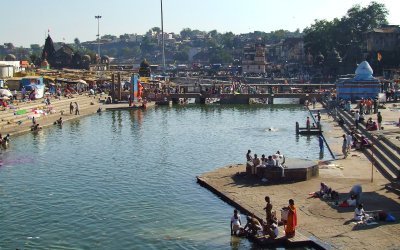
Pooja Ghats at Nashik Kumbh Mela

Discover the holiest ghats of the Godavari River where pilgrims gather for sacred स्नान, rituals, deep daan and spiritual ceremonies during the divine Sinhastha Kumbh Mela.

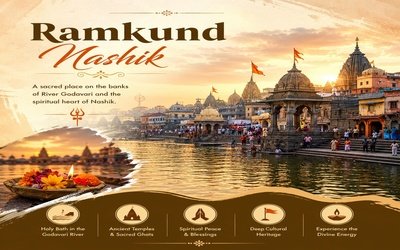
Ramkund
Sacred Ghat

Ramkund

The holiest bathing ghat on the Godavari River and the main attraction during Nashik Simhastha Kumbh.

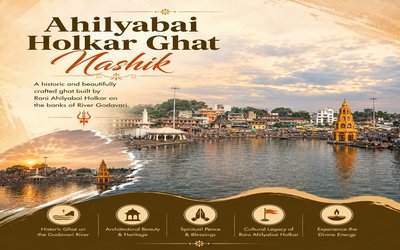
Ahilyabai Holkar Ghat
Sacred Ghat

Ahilyabai Holkar Ghat

Historic ghat constructed during the Holkar period, used for holy bathing and rituals.

Kapila Ghat
Sacred Ghat

Kapila Ghat

Sacred bathing ghat near Ramkund used during Simhastha rituals.

Naroshankar Ghat
Sacred Ghat

Naroshankar Ghat

Historic riverside ghat near the famous Naroshankar Temple.

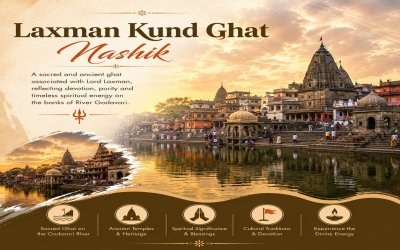
Laxman Kund Ghat
Sacred Ghat

Laxman Kund Ghat

Sacred kund associated with Lord Laxman.

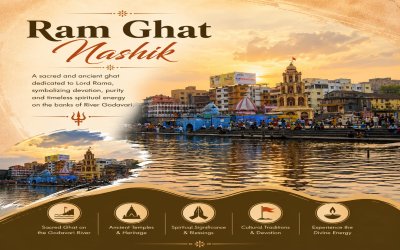
Ram Ghat
Sacred Ghat

Ram Ghat

Popular bathing ghat during Kumbh festivities.