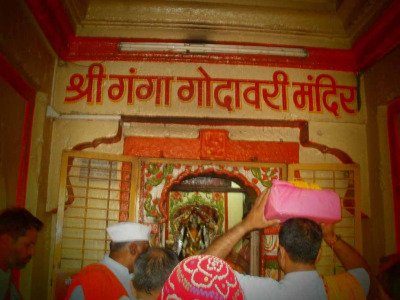
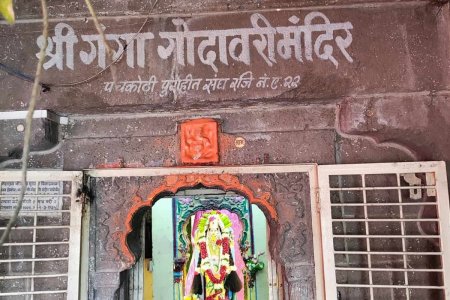
Ganga Godavari Temple, Nashik is an important religious landmark located at Ramkund in Panchavati, on the banks of the sacred Godavari River.
Dedicated to Goddess Godavari, the temple is an important part of the Panchavati pilgrimage circuit and attracts devotees visiting Nashik for religious, cultural, and spiritual experiences.
The temple has special significance during the Nashik–Trimbakeshwar Simhastha Kumbh Mela, when large numbers of pilgrims gather around the Godavari riverfront.
The Ganga Godavari Temple was built in 1775 under the patronage of Gopikabai Peshwe.
According to the Nashik District Government's tourism information:
The temple's historic setting makes it an important part of Nashik's religious heritage.
The Godavari River holds great religious importance in Hindu tradition and is regarded as one of India's sacred rivers.
The religious importance of the temple is connected with:
Devotees visiting Ramkund and the Godavari riverfront often include the Ganga Godavari Temple as part of their pilgrimage.
The temple is located directly beside Ramkund, one of the most significant religious locations in Nashik.
Ramkund is situated along the Godavari River and forms the centre of the Panchavati pilgrimage area.
Visitors can combine their temple visit with:
One of the most distinctive features of the Ganga Godavari Temple is its traditional opening cycle.
According to the Nashik District Government:
This unusual tradition makes the temple particularly significant during a Kumbh year, when pilgrims arrive in large numbers for sacred bathing and darshan.
Visitors should check the latest official announcements regarding opening dates and arrangements.
The temple has special importance during the Nashik–Trimbakeshwar Simhastha Kumbh Mela.
During Kumbh Mela:
The temple's traditional opening cycle adds another distinctive element to the Kumbh pilgrimage experience.
Ganga Godavari Temple can be included in a wider Panchavati sightseeing and pilgrimage circuit.
Important nearby destinations include:
This makes the area suitable for visitors interested in religious tourism, history, culture, and heritage.
Ramkund is one of Nashik's most important sacred riverfront locations and is traditionally associated with Lord Rama.
Located near Ramkund, this is an important Shiva temple and a popular religious destination in Panchavati.
The Kalaram Temple is one of the most prominent historic temples in Panchavati and is associated with the Ramayana tradition.
Sita Gufa is a popular religious site associated with the traditional stories of Sita and the Ramayana.
Located close to the Godavari riverfront, Naroshankar Temple is another historic religious attraction in the Panchavati area.
The temple and surrounding Panchavati area can be visited throughout the year.
Early morning and evening can be suitable for visitors looking for a relatively peaceful temple and riverfront experience.
Major religious festivals can attract large crowds.
For visitors interested in the temple's special traditional opening, it is important to check the latest official announcements and religious calendar before planning the visit.
During the Simhastha Kumbh Mela, the Ramkund and Panchavati areas can become extremely crowded. Visitors should plan their journey and follow official instructions.
The temple is located near Ramkund in Panchavati and can be reached from different parts of Nashik by:
Nashik Road Railway Station is the nearest major railway station, approximately 10 km from the Ramkund area.
Visitors can continue by taxi, auto-rickshaw, or local transport.
Travellers can use Nashik Airport at Ozar and continue towards Nashik and Panchavati by road.
The temple provides an opportunity to experience the religious traditions associated with Goddess Godavari and the sacred Godavari River.
Its 18th-century history and association with the Peshwa period make it an interesting heritage destination.
Its location beside Ramkund allows visitors to explore several important temples and historic sites within the Panchavati area.
Ganga Godavari Temple is an important part of Nashik's spiritual and cultural tourism circuit.
A visit can be combined with:
Ganga Godavari Temple → Ramkund → Kapaleshwar Mahadev Temple → Kalaram Temple → Sita Gufa → Naroshankar Temple → Panchavati
This circuit allows visitors to explore Nashik's religious heritage, mythology, historic temples, and Godavari riverfront.
Visitors can explore the temple for its:
Ganga Godavari Temple, Nashik is an important part of the city's sacred identity and its connection with the Godavari River.
Built in 1775 and known for its distinctive traditional opening cycle, the temple holds special importance for pilgrims visiting Ramkund, Panchavati, and the Nashik–Trimbakeshwar Kumbh Mela.
For visitors exploring Nashik's spiritual heritage, a visit to the Ganga Godavari Temple and surrounding Ramkund area offers an opportunity to experience faith, mythology, history, traditional architecture, and the living cultural traditions of the Godavari River.
Budget Rooms in Nashik | Guest Houses in Nashik | Hotels in Nashik | Lodges in Nashik | Tent Bookings in Nashik
Astrologers in Nashik | Autos/Taxis in Nashik | Bus Services in Nashik | Car Rentals in Nashik | Hospitals in Nashik | Pandits in Nashik | Puja Bookings in Nashik | Tour & Travels in Nashik
Shree Sant Nivruttinath Maharaj Samadhi Mandir, Trimbakeshwar, Nashik | Shri Swaminarayan Mandir, Nashik | Kevdiban Mhasoba Maharaj Temple, Nashik | Tringalwadi Fort, Igatpuri, Nashik | Ghatandevi Temple, Igatpuri, Nashik | Dhamma Giri Vipassana Centre, Igatpuri, Nashik | Vaitarna Dam, Igatpuri, Nashik | Kushavarta Kund, Trimbakeshwar, Nashik | Renuka Mata Mandir, Chandwad, Nashik | Ganga Godavari Temple, Nashik | Kalsubai Trek, Nashik | Ramshej Fort, Nashik | नाशिकची आकर्षणे मधील सर्व पहा