ॐ
व्यवसाय नोंदवा
सिंहस्थ पर्व · जुलै – सप्टेंबर 2027

नाशिक कुंभमेळा 2027 च्या दिव्य यात्रेचा अनुभव घ्या

बारा वर्षांतून एकदा आस्था, अग्नि आणि पवित्र गोदावरीचा संगम. सत्यापित निवास, विश्वसनीय मार्गदर्शक आणि शहराच्या सर्वात संपूर्ण आध्यात्मिक निर्देशिकेसह आपल्या यात्रेचे नियोजन करा.

प्रायोजक
अपडेट
सिंहस्थ कुंभमेळा 2027 · नाशिक आणि त्र्यंबकेश्वर, महाराष्ट्र ✦ अधिकृत अमृतस्नान (शाही स्नान) तारखा — जुलै ते सप्टेंबर 2027 · आपला दिनदर्शिका चिन्हांकित करा ✦ 12 कोटी+ यात्रेकरू अपेक्षित · जगातील सर्वात मोठी शांतिपूर्ण सभा ✦ पवित्र घाट: रामकुंड · कुशावर्त · सोमकुंड · कपिलेश्वर · गोरकुंड ✦ कुटुंबाची नोंदणी करा आणि अद्वितीय QR मनगट-पट्ट्या मिळवा — मोफत ✦ आपत्कालीन हेल्पलाइन: 1800-123-4567 · 24 × 7 उपलब्ध ✦ त्र्यंबकेश्वर ज्योतिर्लिंग · पंचवटी · गोदावरी संगम ✦ आमच्या पोर्टलवर सत्यापित हॉटेल, धर्मशाळा आणि मार्गदर्शक शोधा ✦ सिंहस्थ कुंभमेळा 2027 · नाशिक आणि त्र्यंबकेश्वर, महाराष्ट्र ✦ अधिकृत अमृतस्नान (शाही स्नान) तारखा — जुलै ते सप्टेंबर 2027 · आपला दिनदर्शिका चिन्हांकित करा ✦ 12 कोटी+ यात्रेकरू अपेक्षित · जगातील सर्वात मोठी शांतिपूर्ण सभा ✦ पवित्र घाट: रामकुंड · कुशावर्त · सोमकुंड · कपिलेश्वर · गोरकुंड ✦ कुटुंबाची नोंदणी करा आणि अद्वितीय QR मनगट-पट्ट्या मिळवा — मोफत ✦ आपत्कालीन हेल्पलाइन: 1800-123-4567 · 24 × 7 उपलब्ध ✦ त्र्यंबकेश्वर ज्योतिर्लिंग · पंचवटी · गोदावरी संगम ✦ आमच्या पोर्टलवर सत्यापित हॉटेल, धर्मशाळा आणि मार्गदर्शक शोधा ✦
प्रत्येक तपशिलाचे नियोजन करा

नोंद श्रेण्या पहा

लक्झरी हॉटेलपासून साध्या धर्मशाळांपर्यंत, प्रमाणित मार्गदर्शकांपासून वैद्यकीय मदतीपर्यंत — एका यात्रेकरूला हव्या असलेल्या सर्व सेवा एकाच विश्वसनीय ठिकाणी.

नाशिक कुंभमेळा 2027 साठी तुमचे स्थानिक मार्गदर्शक

जिथे स्वर्ग गोदावरीला स्पर्श करतो

नाशिक कुंभमेळा 2027 — ज्याला सिंहस्थ म्हणतात कारण बृहस्पती सिंह राशीत प्रवेश करतो — भारतातील चार महान कुंभ संमेलनांपैकी एक आहे. पवित्र गोदावरी नदीच्या काठावर दर बारा वर्षांनी आयोजित हा महोत्सव नाशिक व त्र्यंबकेश्वरला केशरी, पवित्र अग्नी आणि प्राचीन मंत्रोच्चारांच्या तेजोमय आभेत परावर्तित करतो.

शास्त्रानुसार, अमृत कलश (अमरत्वाचे अमृत) आकाशातून नेत असताना चार थेंब पृथ्वीवर पडले — प्रयागराज, हरिद्वार, उज्जैन आणि नाशिक. या शुभ कालात गोदावरीत स्नान केल्याने आत्म्याची जन्म-मृत्यूच्या चक्रातून मुक्ती होते असे मानले जाते.

आध्यात्मिक खोलीच्या पलीकडे, कुंभ हे मानवजातीचे जगातील सर्वात मोठे शांतिपूर्ण संमेलन आहे — आखाड्यांचे, नागा साधूंचे, शास्त्रीय संगीताचे, वैदिक प्रवचनांचे आणि शतकानुशतके जुन्या परंपरांचे जिवंत संग्रहालय. हे भारताचे सर्वात कालातीत रूप आहे.

आमचा पोर्टल प्रत्येक यात्रेकरूला मार्गदर्शन करण्यासाठी आहे — जीवनभराच्या स्वप्नाची यात्रा करणाऱ्या वृद्धापासून ते प्रथमच येणाऱ्या आंतरराष्ट्रीय प्रवाशापर्यंत — सत्यापित निवास, विश्वसनीय स्थानिक मार्गदर्शक, आपत्कालीन सेवा, वाहतूक आणि नाशिकचा अद्भुत वारसा: त्र्यंबकेश्वर ज्योतिर्लिंग, पंचवटी, रामकुंड, सुलाचे द्राक्षमळे आणि ते चिरंतन घाट जिथे नदी स्वतःच प्रार्थना बनते.

2027 आणि 2028 साठी अधिकृत अमृतस्नान (शाही स्नान) तारखा पहा.

कुंभ जाणून घ्या

कथेपासून सुरुवात करा

प्रवासाची आखणी करण्यापूर्वी जाणून घ्या की तुम्ही कशाकडे चालला आहात — कुंभ म्हणजे काय, त्याचे मूळ कोठे आहे, आणि नेमके कोणते क्षण नदीला पवित्र करतात.

मेळ्यापलीकडे

नाशिकची चिरंतन आकर्षणे

पवित्र मंदिरे, लपलेले घाट, उन्हात न्हालेले द्राक्षमळे आणि हनुमानाचे जन्मस्थान — सर्व मेळा मैदानापासून थोड्या अंतरावर.

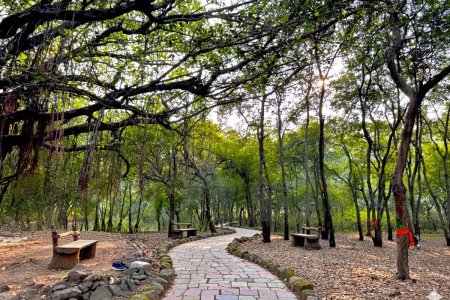
Tapovan, Nashik

Tapovan, Nashik

7km

Tapovan, Nashik – The Sacred Forest of Meditation and Spiritual Heritage Located near Panchavati in Nashik, along the banks of the Godavari River, Tapovan is one of the city's most important spiritual and mythological destinations. Situated approximately 1.5 km from Panchavati, this peaceful area is known for its association with the Ramayana, Lord Rama, Goddess Sita, and Lord Lakshmana. The name Tapovan comes from the Sanskrit words Tapas, meaning meditation or penance, and Vana, meaning forest. Together, Tapovan means the “Forest of Meditation.” With its temples, sacred places, ashrams, greenery, and connection with ancient Hindu traditions, Tapovan offers visitors an opportunity to experience the spiritual heritage of Nashik. History and Religious Significance of Tapovan Tapovan is traditionally associated with the ancient Dandakaranya Forest, where sages are believed to have performed meditation and penance. According to Hindu mythology and the Ramayana, Lord Rama, Goddess Sita, and Lord Lakshmana spent part of their 14-year exile in the Nashik region. Tapovan is particularly associated with the story of Shurpanakha, the sister of Ravana. According to the traditional account, Lakshmana cut off Shurpanakha's nose at this location. The legend is also traditionally connected with the origin of the name Nashik, which is associated with the Sanskrit word Nasika, meaning “nose.” Because of these mythological associations, Tapovan continues to hold special religious importance for Hindu devotees visiting Nashik. Temples and Sacred Places in Tapovan Tapovan is surrounded by several temples, spiritual landmarks, and places associated with religious traditions. Ram Parnakuti Temple The Ram Parnakuti Temple is associated with the Ramayana traditions of the Nashik region and attracts devotees interested in the connection between Lord Rama and Tapovan. Lakshmana Temple The Lakshmana Temple is another important spiritual landmark connected with the traditional Ramayana story associated with Tapovan. Tapovan Kund Tapovan Kund is regarded as a sacred location and forms part of the area's religious landscape. Kapila Sangam Kapila Sangam is another significant spiritual location in the wider Tapovan area and adds to the religious importance of the region. Ashrams and Meditation Centres Several ashrams and spiritual spaces can be found around Tapovan. These places contribute to the area's atmosphere of meditation, prayer, and spiritual learning. All Religion Temple The All Religion Temple reflects an inclusive spiritual atmosphere and is another place visitors can explore while visiting Tapovan. Tapovan and the Ramayana Connection The connection between Tapovan and the Ramayana is one of the main reasons devotees and tourists visit this part of Nashik. According to traditional beliefs, the Nashik region was part of the forest landscape associated with Lord Rama's exile. Stories involving Rama, Sita, Lakshmana, and Shurpanakha are deeply connected with the area's religious identity. For visitors interested in Indian mythology, Tapovan provides an opportunity to explore these traditions while visiting the temples and sacred locations associated with them. Tapovan During Nashik Kumbh Mela Tapovan has an important role in the spiritual landscape of the Nashik Kumbh Mela, also known as Simhastha. During the Kumbh Mela, Tapovan becomes a major spiritual gathering area where saints, sadhus, and pilgrims come together. The area can become especially vibrant during important religious activities and rituals. For visitors attending the Nashik Kumbh Mela, Tapovan is therefore an important destination to include in a pilgrimage itinerary along with Panchavati, Ramkund, Kalaram Temple, Sita Gufa, and other religious places in Nashik. Spiritual Atmosphere of Tapovan The combination of the Godavari River, greenery, temples, ashrams, and peaceful surroundings gives Tapovan a distinctive spiritual atmosphere. Visitors can spend time exploring the temples, sitting quietly near the sacred surroundings, participating in spiritual activities, or simply experiencing the atmosphere of one of Nashik's traditional pilgrimage areas. For those interested in meditation, yoga, spirituality, mythology, and religious tourism, Tapovan offers a meaningful experience. Best Time to Visit Tapovan, Nashik The best time to visit Tapovan for comfortable sightseeing is generally October to March, when the weather is more pleasant. The monsoon season also adds to the beauty of the area as the surrounding landscape becomes greener. Visitors planning their trip during the Nashik Kumbh Mela should expect significantly higher visitor numbers and a much more vibrant spiritual atmosphere. If you are visiting during a major religious event, it is advisable to plan transportation and sightseeing in advance. How to Reach Tapovan, Nashik By Road Tapovan is approximately 3 km from Nashik CBS Bus Stand and is easily accessible from different parts of Nashik. Visitors can reach Tapovan by: City buses Auto-rickshaws Taxis Private vehicles Its proximity to Panchavati makes it convenient to combine Tapovan with other nearby religious attractions. By Rail Nashik Road Railway Station is approximately 10 km from Tapovan. From the railway station, visitors can use taxis, buses, auto-rickshaws, or private vehicles to reach the destination. By Air The nearest airport is Nashik Airport at Ozar, approximately 25 km from Tapovan. Visitors arriving by air can use taxis or private transportation to reach Tapovan. Nearby Attractions Around Tapovan Tapovan is located close to several important religious and historical attractions in Nashik. Visitors can consider combining Tapovan with: Panchavati Ramkund Kalaram Temple Sita Gufa Kapaleshwar Temple Godavari River Naroshankar Temple Sundarnarayan Temple This makes Tapovan an excellent starting point for a Nashik spiritual and heritage sightseeing route. Frequently Asked Questions About Tapovan, Nashik What is Tapovan in Nashik? Tapovan is a sacred and historically significant area near Panchavati in Nashik, traditionally associated with meditation, the Ramayana, and the exile of Lord Rama, Goddess Sita, and Lord Lakshmana. Why is Tapovan famous? Tapovan is famous for its Ramayana connection, temples, spiritual atmosphere, Godavari River surroundings, and association with the Nashik Kumbh Mela. What does the name Tapovan mean? The name Tapovan comes from the Sanskrit words Tapas, meaning meditation or penance, and Vana, meaning forest. It is therefore commonly interpreted as the “Forest of Meditation.” Is Tapovan connected with the Ramayana? Yes. According to Hindu mythology and local tradition, Tapovan is associated with the period when Lord Rama, Goddess Sita, and Lord Lakshmana were in the forest during their exile. What is the connection between Tapovan and Shurpanakha? According to the traditional Ramayana account associated with the region, Lakshmana cut off Shurpanakha's nose at this location. Is Tapovan important during the Nashik Kumbh Mela? Yes. Tapovan is an important spiritual area during the Nashik Kumbh Mela (Simhastha) and attracts saints, sadhus, and pilgrims. How far is Tapovan from Panchavati? Tapovan is approximately 1.5 km from Panchavati, making it easy to include in a Panchavati sightseeing itinerary. How far is Tapovan from Nashik CBS? Tapovan is approximately 3 km from Nashik CBS Bus Stand. What is the best time to visit Tapovan? October to March is generally comfortable for sightseeing. The monsoon season offers greener surroundings, while the Kumbh Mela period provides a major spiritual gathering experience. Can Tapovan be visited with other Nashik attractions? Yes. Tapovan can easily be combined with Panchavati, Ramkund, Kalaram Temple, Sita Gufa, Kapaleshwar Temple, and other nearby religious attractions. Why Visit Tapovan, Nashik? Tapovan offers a unique combination of mythology, spirituality, history, nature, and pilgrimage. The connection with the Ramayana makes the destination especially meaningful for devotees and visitors interested in Indian mythology. At the same time, the Godavari River, greenery, temples, and spiritual centres create a peaceful environment for visitors. For anyone planning a Nashik pilgrimage tour, Ramayana heritage tour, spiritual journey, or Kumbh Mela itinerary, Tapovan is an important destination to explore. Conclusion – Experience the Spiritual Heritage of Tapovan Tapovan, Nashik is more than a religious destination—it is a place where mythology, spirituality, nature, and the cultural heritage of Nashik come together. Its traditional association with the Ramayana, sacred temples, spiritual centres, Godavari River surroundings, and important role during the Nashik Kumbh Mela make it one of the notable places to visit in Nashik. Whether you are visiting Nashik for pilgrimage, exploring Ramayana-related destinations, or preparing for the Nashik Kumbh Mela, a visit to Tapovan can add a meaningful spiritual and cultural dimension to your journey.

दिशानिर्देश मिळवा

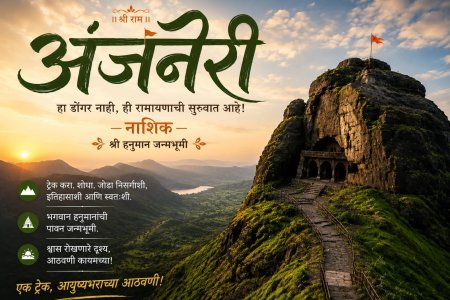
Anjaneri Hills

Anjaneri Hills

20 km from Nashik

Anjaneri Hills, Nashik – Sacred Birthplace of Lord Hanuman Introduction Anjaneri Hills, located near Nashik and Trimbakeshwar, is a popular spiritual and trekking destination surrounded by the scenic landscapes of the Sahyadri Mountains. The hills are traditionally associated with Goddess Anjana and the birthplace of Lord Hanuman, making Anjaneri an important pilgrimage destination as well as an attractive location for trekkers and nature lovers. Religious Significance Anjaneri Hills hold an important place in local Hindu tradition. According to traditional belief: Goddess Anjana is associated with Anjaneri. The hills are traditionally regarded as the birthplace of Lord Hanuman. Several religious sites and caves are found in the surrounding area. The destination attracts devotees throughout the year. Anjaneri Hills Trek The Anjaneri Trek is a popular trekking experience near Nashik. The route passes through rocky terrain, natural landscapes, and scenic hill sections. Trekking offers opportunities to enjoy: Sahyadri mountain scenery Valley views Forest landscapes Rocky trails Photography Nature exploration Scenic Valley Views One of the highlights of Anjaneri Hills is the panoramic view from the higher sections of the hill. Visitors can enjoy views of: Surrounding valleys Green hills Agricultural landscapes Sahyadri ranges Nearby villages The scenery becomes particularly attractive during the monsoon season. Best Time to Visit The best time to explore Anjaneri Hills is generally: Monsoon: Lush greenery and scenic landscapes Winter: Pleasant weather for trekking Early morning: Suitable for trekking and enjoying valley views During heavy rainfall, trails can become slippery, so trekkers should take appropriate precautions. How to Reach Anjaneri Hills Anjaneri Hills is located on the Nashik–Trimbakeshwar route and can be reached by road from Nashik. Visitors can use: Private vehicles Taxis Local transport The trekking route begins from the base area of Anjaneri. Why Visit Anjaneri Hills? Anjaneri Hills offers a unique combination of spiritual significance, trekking adventure, natural beauty, and panoramic valley views. It is an ideal destination for pilgrims, trekkers, photographers, and nature lovers exploring the Nashik–Trimbakeshwar region. Conclusion Anjaneri Hills, Nashik is a culturally significant destination traditionally associated with the birthplace of Lord Hanuman. With its sacred sites, trekking trails, Sahyadri landscapes, and beautiful valley views, Anjaneri is an excellent addition to a Nashik and Trimbakeshwar tourism itinerary.  

दिशानिर्देश मिळवा
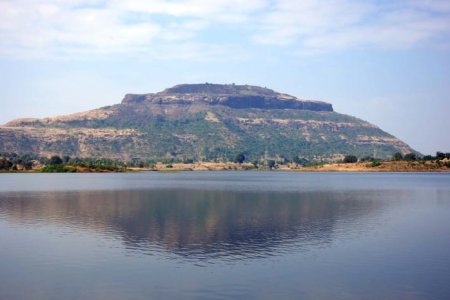
Tringalwadi Fort, Igatpuri, Nashik

Tringalwadi Fort, Igatpuri, Nashik

55km

Tringalwadi Fort, Igatpuri, Nashik – A Historic Fort in the Sahyadri Mountains 1. Introduction Tringalwadi Fort is a historic hill fort located near Igatpuri in Nashik district, Maharashtra. Situated at an altitude of around 3,000 feet, the fort is surrounded by the beautiful Sahyadri mountain ranges. The fort offers spectacular views of: Sahyadri mountain ranges Green valleys Forests Hills Tringalwadi Lake Nearby water bodies Today, Tringalwadi Fort, Igatpuri is a popular destination for trekkers, history enthusiasts, photographers, adventure lovers, and nature lovers. 2. Historical Significance History of Tringalwadi Fort Tringalwadi Fort occupies an important strategic position in the Western Ghats. According to the historical information mentioned in the provided content: The fort was built around 1594 CE. It was associated with the Nizam Shahi dynasty of Ahmednagar. The fort was strategically located near the ancient Thal Ghat trade route. The route connected the Deccan region with the Konkan. Its elevated location allowed defenders to observe movement through surrounding valleys and mountain passes. The fort was therefore an important part of the historic fort network of the Nashik and Western Ghats region. 3. Architecture and Fort Remains Tringalwadi Fort Architecture Although the original fortification has been affected by time, visitors can still discover several interesting historical features. Important features include: Ancient rock-cut caves Stone steps Fortification remains Rock-cut water tanks Historic gateways Temple structures Panoramic viewpoints The historic structures and natural surroundings make Tringalwadi Fort an interesting destination for people interested in Maharashtra forts, history and archaeology. 4. Tringalwadi Jain Caves Ancient Jain Caves Near Tringalwadi Fort The Tringalwadi Jain Caves are one of the interesting attractions near the base of the fort. These ancient rock-cut caves are believed to be considerably older than the present fort structure. They reflect the area's long-standing religious and architectural significance. A visit to the caves adds historical and spiritual interest to the Tringalwadi Fort trek. 5. Tringalwadi Fort Trek Trekking to Tringalwadi Fort The Tringalwadi Fort Trek is popular among adventure enthusiasts and trekkers. The route includes fields, forest sections, rocky terrain, and steep portions. The trek provides beautiful views of the surrounding Sahyadri landscape. Trekkers can enjoy views of: Tringalwadi Lake Igatpuri hills Sahyadri mountain ranges Surrounding valleys Nearby forts and mountain peaks The trek is generally considered a moderate trekking route. 6. Tringalwadi Fort and Nature Natural Beauty Around Tringalwadi Fort Tringalwadi Fort is situated in the scenic Igatpuri region of Nashik district. During the monsoon: Hills become lush green Mist covers the surrounding mountains Seasonal streams become active Waterfalls can be seen around the region The landscape becomes ideal for photography During winter, pleasant weather and clearer mountain views provide suitable conditions for trekking and sightseeing. The combination of historic fort ruins and Sahyadri scenery makes Tringalwadi Fort a popular photography destination. 7. Best Time to Visit Best Time to Visit Tringalwadi Fort The fort can generally be explored from June to February, with different experiences in the monsoon and winter seasons. Monsoon – June to September Lush green surroundings Misty mountain views Seasonal waterfalls and streams Beautiful Sahyadri scenery However, trekking trails can become slippery during heavy rainfall. Winter – October to February Pleasant trekking weather Better visibility Comfortable hiking conditions Suitable for photography and sightseeing 8. How to Reach Tringalwadi Fort By Road Tringalwadi Fort is located in the Igatpuri region of Nashik district and can be reached by road from Nashik, Mumbai, and other nearby cities. After reaching the local base area, visitors need to continue on foot along the trekking route. By Train Igatpuri Railway Station is the most convenient railway connection for visitors travelling by train. Igatpuri is an important railway junction on the Central Railway network. By Air Visitors can travel via Nashik Airport and continue towards Igatpuri by road. Mumbai Airport is another option for travellers arriving from distant locations. 9. Distance from Nashik and Mumbai Tringalwadi Fort Distance The Igatpuri region is approximately: Nashik – around 57 km Mumbai – around 130 km The final distance to the fort's trekking base may vary depending on the selected route and starting point. 10. Nearby Places to Visit Places to Visit Near Tringalwadi Fort Visitors can combine the fort trek with other attractions around Igatpuri: Ghatandevi Temple Dhamma Giri Vipassana Centre Vihigaon / Ashoka Waterfall Kavnai Fort Kapildhara Tirth Vaitarna Region Bhatsa River Valley Igatpuri Hills The Igatpuri region is especially popular during the monsoon for its waterfalls, mountains, lakes and green landscapes. 11. Travel and Trekking Tips Tips for Tringalwadi Fort Trek Start the trek early in the morning. Wear trekking shoes with good grip. Carry sufficient drinking water. Carry light snacks. Take extra care on wet rocks during monsoon. Avoid trekking during thunderstorms or extremely heavy rainfall. Stay on the established trekking route. Do not damage ancient caves, carvings or fort structures. Do not litter. Carry your waste back with you. Check weather and local access conditions before travelling. 12. Photography at Tringalwadi Fort Photography and Scenic Views Tringalwadi Fort is an attractive destination for photography because of its combination of historic structures and natural landscapes. Visitors can capture: Sahyadri mountain views Tringalwadi Lake Green valleys Fort ruins Ancient caves Monsoon landscapes Igatpuri hills 13. Why Visit Tringalwadi Fort? Why Visit Tringalwadi Fort, Igatpuri? Tringalwadi Fort offers a combination of: History Trekking Adventure Archaeology Spirituality Photography Natural beauty Unlike conventional sightseeing destinations, reaching the fort involves a trek through the Sahyadri landscape. The ancient caves, historical remains, mountain views, and peaceful surroundings make it an interesting destination for travellers exploring Nashik district. 14. Who Should Visit Tringalwadi Fort? Tringalwadi Fort for Different Travellers The destination can be interesting for: Trekking enthusiasts History lovers Nature lovers Photographers Adventure travellers Fort explorers Families looking for outdoor experiences Travellers exploring Igatpuri and Nashik 15. Conclusion Conclusion Tringalwadi Fort, Igatpuri, Nashik is a fascinating historical destination surrounded by the natural beauty of the Sahyadri Mountains. Its connection with the historic Thal Ghat trade route, ancient rock-cut caves, fort remains, trekking trail, and panoramic mountain views make it an interesting destination in Nashik district. Whether you are interested in Maharashtra forts, Igatpuri trekking, Nashik tourism, history, photography or nature, Tringalwadi Fort can be included in your Nashik travel itinerary.  

दिशानिर्देश मिळवा
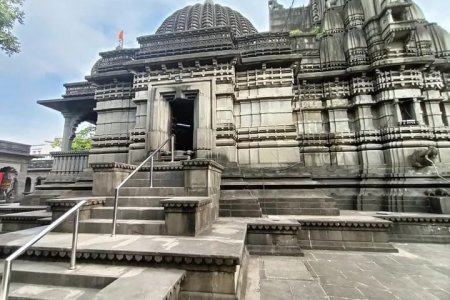
Kalaram Temple, Nashik

Kalaram Temple, Nashik

2km

Kalaram Temple, Nashik – A Complete Travel Guide Kalaram Temple, Nashik is one of the most important and historic temples in Panchavati. Dedicated to Lord Rama, the temple is particularly famous for its distinctive black stone idol of Lord Rama, which gives the temple its name—“Kala” meaning black and “Ram” referring to Lord Rama. Located near the sacred Godavari River, Kalaram Temple is an important pilgrimage destination as well as a significant part of Nashik's cultural and architectural heritage. Its connection with Panchavati and the Ramayana traditions makes it a popular place to visit for devotees, history enthusiasts, and tourists exploring Nashik. History of Kalaram Temple, Nashik The present Kalaram Temple is traditionally associated with the Peshwa period and is believed to have been built in 1792 by Sardar Rangarao Odhekar. According to local tradition, the black stone idols of Lord Rama, Goddess Sita, and Lord Lakshmana were discovered in the Godavari River. The discovery is associated with a divine vision, after which the temple was constructed to enshrine the sacred idols. Over the years, Kalaram Temple became an important center of worship in Panchavati and continues to attract devotees from Nashik and different parts of India. The temple is also remembered for its place in the social and reform history of Maharashtra. Dr. B. R. Ambedkar led the Kalaram Temple Entry Satyagraha in 1930, making the temple significant not only from a religious perspective but also in the history of social equality movements in India. Religious Significance of Kalaram Temple Kalaram Temple is dedicated to Lord Rama, with the principal deity traditionally represented in black stone. The temple is particularly important because of its connection with Panchavati, an area strongly associated with the Ramayana tradition. Devotees visit the temple to: Offer prayers to Lord Rama Seek spiritual peace and blessings Worship Goddess Sita and Lord Lakshmana Participate in religious festivals and ceremonies Explore the sacred temples and places around Panchavati Major festivals such as Ram Navami, Dussehra, and Diwali bring a particularly devotional atmosphere to the temple. The surrounding Panchavati area also becomes highly active during the Nashik Kumbh Mela, when large numbers of pilgrims visit the city's sacred places. Kalaram Temple Architecture One of the first things visitors notice about Kalaram Temple is its impressive black basalt stone architecture. The temple is traditionally described as being built in the Hemadpanthi architectural style and features carefully carved stonework, pillars, sculptures, and a prominent shikhara. The use of dark basalt gives the temple a distinctive appearance and contributes to its name. The craftsmanship of the stone structure makes Kalaram Temple interesting not only for devotees but also for visitors interested in Indian temple architecture and heritage. The Black Stone Idol of Lord Rama The principal attraction of Kalaram Temple is the black stone idol of Lord Rama. The temple also houses representations of Goddess Sita and Lord Lakshmana, creating a sacred setting associated with the Ramayana tradition. For devotees, the idols are the spiritual heart of the temple. For visitors interested in history and culture, they provide an opportunity to experience an important part of Nashik's religious heritage. Kalaram Temple and Panchavati Kalaram Temple is located in Panchavati, Nashik, one of the city's most important pilgrimage areas. Panchavati is traditionally associated with the period of Lord Rama's exile and contains several temples, caves, ghats, and other religious landmarks. Because of this concentration of attractions, visitors can easily combine a visit to Kalaram Temple with a wider Panchavati sightseeing and pilgrimage itinerary. Kalaram Temple During Nashik Kumbh Mela Kalaram Temple is an important religious attraction to include when exploring Nashik during the Kumbh Mela. During the Kumbh Mela period, pilgrims visit Panchavati and the Godavari Ghats as part of their religious journey. Kalaram Temple can be included along with Ramkund, Sita Gufa, Kapaleshwar Temple, and other nearby attractions. However, Kumbh Mela arrangements can change depending on crowd levels, traffic management, security measures, and local administration instructions. Visitors should check the latest official information before travelling. Best Time to Visit Kalaram Temple Kalaram Temple can be visited throughout the year. For comfortable sightseeing around Panchavati, October to March is generally a pleasant period. The temple and surrounding area become particularly lively during religious festivals such as: Ram Navami Dussehra Diwali Nashik Kumbh Mela Other important Hindu religious occasions If you prefer a quieter visit, consider visiting outside major festival periods. How to Reach Kalaram Temple, Nashik? By Air Nashik Airport (Ozar) is the nearest airport serving Nashik. From the airport, visitors can continue towards Panchavati using taxis or other available local transportation. By Train Nashik Road Railway Station is approximately 10 km from Kalaram Temple. Taxis, auto-rickshaws, buses, and other local transport options are available from the railway station. By Road Kalaram Temple is well connected to different parts of Nashik. Visitors can reach Panchavati by city buses, auto-rickshaws, taxis, or private vehicles. During festivals and the Kumbh Mela, visitors should allow extra travel time because traffic restrictions and temporary vehicle arrangements may be introduced. Nearby Places to Visit Near Kalaram Temple One of the advantages of visiting Kalaram Temple is its location in the heart of Panchavati, where several important attractions are nearby. Ramkund Ramkund is a major pilgrimage site on the Godavari River and an important place for religious rituals and pilgrimage activities. Sita Gufa Sita Gufa, or Sita Cave, is a popular attraction associated with the Ramayana traditions of Panchavati. Kapaleshwar Temple Located near Ramkund, Kapaleshwar Temple is an important Shiva temple and another significant religious attraction in the area. Panchavati Explore the wider Panchavati area to experience its temples, traditional streets, religious landmarks, and connection with the Ramayana tradition. Godavari River Ghats The Godavari Ghats offer visitors an opportunity to experience the spiritual and cultural atmosphere of Nashik. Tapovan Tapovan is another notable religious and historical area that can be included in a Panchavati sightseeing route. Frequently Asked Questions About Kalaram Temple, Nashik What is Kalaram Temple famous for? Kalaram Temple is famous for its black stone idol of Lord Rama, historic architecture, religious significance, and connection with the Panchavati area of Nashik. Why is it called Kalaram Temple? The name comes from “Kala,” meaning black, and “Ram,” referring to Lord Rama, because the principal idol of Lord Rama is traditionally represented in black stone. Who built Kalaram Temple? The present temple is traditionally associated with Sardar Rangarao Odhekar and is believed to have been constructed in 1792 during the Peshwa period. Where is Kalaram Temple located? Kalaram Temple is located in Panchavati, Nashik, Maharashtra, near the Godavari River and several other important religious attractions. What is special about Kalaram Temple's architecture? The temple is traditionally associated with Hemadpanthi-style architecture and is constructed primarily from black basalt stone, with carved pillars, sculptures, and a prominent shikhara. Is Kalaram Temple connected to the Ramayana? Kalaram Temple is located in Panchavati, an area strongly associated with the Ramayana tradition and the period of Lord Rama's exile. What are the places to visit near Kalaram Temple? Nearby attractions include Ramkund, Sita Gufa, Kapaleshwar Temple, Godavari Ghats, Panchavati, and Tapovan. Can Kalaram Temple be visited during Nashik Kumbh Mela? Yes. Kalaram Temple can be included in a Nashik Kumbh Mela pilgrimage and sightseeing itinerary. Visitors should check current crowd-management and access arrangements during the event. What is the best time to visit Kalaram Temple? The temple can be visited throughout the year. October to March is generally comfortable for exploring Nashik, while Ram Navami and other festivals offer a particularly vibrant religious experience. Why Visit Kalaram Temple, Nashik? Kalaram Temple offers more than a traditional temple visit. It brings together religious heritage, Ramayana traditions, historic architecture, social history, and the cultural identity of Panchavati. Whether you are visiting Nashik as a pilgrim, tourist, history enthusiast, architecture lover, or as part of your Nashik Kumbh Mela 2027 journey, Kalaram Temple is an important destination to include in your itinerary. Conclusion – Experience the Heritage of Panchavati at Kalaram Temple Kalaram Temple, Nashik is one of the city's most significant religious and heritage landmarks. Its distinctive black stone architecture, association with Lord Rama, historic importance, and location in Panchavati make it a memorable place to visit. A visit to Kalaram Temple becomes even more meaningful when combined with nearby Ramkund, Sita Gufa, Kapaleshwar Temple, and the Godavari Ghats. Together, these destinations offer visitors a deeper experience of Nashik's spiritual and cultural heritage.

दिशानिर्देश मिळवा
Shree Sant Nivruttinath Maharaj Samadhi Mandir, Trimbakeshwar, Nashik

Shree Sant Nivruttinath Maharaj Samadhi Mandir, Trimbakeshwar, Nashik

30km

Shree Sant Nivruttinath Maharaj Samadhi Mandir, Trimbakeshwar, Nashik 1. Introduction Shree Sant Nivruttinath Maharaj Samadhi Mandir is an important spiritual and pilgrimage destination in Trimbakeshwar, Nashik, Maharashtra. The sacred Samadhi Mandir is associated with Sant Nivruttinath Maharaj, one of the respected saints of the Nath and Warkari traditions. Located in the holy town of Trimbakeshwar, the temple attracts devotees, Warkaris, pilgrims, and spiritual seekers throughout the year. Its proximity to Trimbakeshwar Jyotirlinga Temple makes it an important place to include in a Trimbakeshwar pilgrimage tour. 2. Who Was Sant Nivruttinath Maharaj? Sant Nivruttinath Maharaj holds an important place in Maharashtra's spiritual history. He was the elder brother and spiritual guru of Sant Dnyaneshwar Maharaj. He became a disciple of Gahininath, a revered Nath yogi. He guided Sant Dnyaneshwar Maharaj on his spiritual journey. His teachings are associated with the Nath and Warkari spiritual traditions. According to information from the Nashik district administration, Sant Nivruttinath Maharaj took Sanjivan Samadhi at Trimbakeshwar at the age of 24. 3. Religious Significance of the Samadhi Mandir The Sant Nivruttinath Maharaj Samadhi Mandir is considered a sacred place by devotees and followers of the Nath and Warkari traditions. Devotees visit the Samadhi Mandir to: Offer prayers and seek blessings Pay respect to Sant Nivruttinath Maharaj Experience a peaceful spiritual atmosphere Learn about the Nath and Warkari traditions Participate in devotional activities The Samadhi is traditionally associated with the year 1219, according to local historical information. 4. Nivruttinath Maharaj Palkhi Sohala One of the important traditions associated with Sant Nivruttinath Maharaj is the annual Palkhi pilgrimage from Trimbakeshwar to Pandharpur. Devotees and Warkaris participate in the spiritual journey carrying the Palkhi of Sant Nivruttinath Maharaj. The Palkhi Sohala includes: Devotional singing Abhangs Bhajans Warkari traditions Spiritual gatherings Pilgrimage activities The Palkhi tradition connects Trimbakeshwar and Pandharpur, two important pilgrimage destinations in Maharashtra. 5. Annual Samadhi Ceremony The Nivruttinath Maharaj Punyatithi and annual Samadhi ceremony is an important religious occasion in Trimbakeshwar. Devotees and Warkaris from different parts of Maharashtra participate in the celebrations. Various devotional and religious programmes are organised during this period. These may include: Dnyaneshwari Parayan Bhajans and devotional programmes Darshan Religious ceremonies Warkari gatherings During major celebrations, Trimbakeshwar experiences a special spiritual atmosphere with large numbers of devotees visiting the town. 6. Sant Nivruttinath Maharaj Samadhi Mandir Location Address:Nivrutti Nath Road, Trimbak, Nashik, Maharashtra – 422212 The Samadhi Mandir is located in Trimbakeshwar and is close to several important religious and tourist attractions. Its location makes it convenient for devotees planning a Trimbakeshwar pilgrimage tour. 7. Places to Visit Near Sant Nivruttinath Maharaj Samadhi Mandir Visitors can combine their visit to the Samadhi Mandir with several nearby attractions. Nearby attractions include: Trimbakeshwar Jyotirlinga Temple Kushavarta Tirth Brahmagiri Hill Godavari River Origin Gajanan Maharaj Temple Anjaneri Hills Neel Parvat Gangadwar Trimbakeshwar is also home to one of the 12 Jyotirlingas of Lord Shiva, making it an important pilgrimage destination in India. 8. Trimbakeshwar Pilgrimage Trimbakeshwar is one of the important religious destinations in Maharashtra. The town is known for Trimbakeshwar Jyotirlinga, ancient temples, sacred water bodies, hills, and its connection with several saints and spiritual traditions. A visit to Sant Nivruttinath Maharaj Samadhi Mandir can therefore be included as part of a broader Trimbakeshwar and Nashik spiritual tour. 9. How to Reach Sant Nivruttinath Maharaj Samadhi Mandir By Road Trimbakeshwar is approximately 28–30 km from Nashik city and is well connected by road. Visitors can travel by state transport buses, taxis, or private vehicles. By Train Nashik Road Railway Station is the nearest major railway station, approximately 40 km from Trimbakeshwar. From the railway station, visitors can continue by taxi, bus, or other local transport. By Air Nashik Airport at Ozar is the nearest airport. Visitors can travel from the airport towards Trimbakeshwar by road. 10. Best Time to Visit The Sant Nivruttinath Maharaj Samadhi Mandir can be visited throughout the year. For devotees interested in religious celebrations, visiting during: Nivruttinath Maharaj Punyatithi Annual Samadhi celebrations Palkhi Sohala Other devotional events can provide an opportunity to experience the traditional religious atmosphere. For a quieter visit, devotees may prefer early morning or evening. 11. Temple Timings Local listings generally show the temple as open approximately: 9:00 AM to 7:00 PM However, timings may change during festivals, religious ceremonies, and special events. Visitors should confirm the latest timings locally before travelling. 12. Travel Tips for Devotees Maintain silence and cleanliness inside the temple premises. Wear modest and comfortable clothing. Follow temple rules and instructions. Expect larger crowds during major religious events. Plan additional travel time during the Palkhi procession. Carry drinking water during long pilgrimage journeys. Check the latest temple timings before visiting. Respect the spiritual atmosphere of the temple. 13. Why Visit Sant Nivruttinath Maharaj Samadhi Mandir? The Samadhi Mandir is an important part of Maharashtra's spiritual and Warkari heritage. The temple is particularly significant because of its association with: Sant Nivruttinath Maharaj Sant Dnyaneshwar Maharaj Gahininath Nath tradition Warkari Sampradaya Trimbakeshwar pilgrimage Annual Palkhi tradition For devotees and visitors interested in Maharashtra's religious history, the Samadhi Mandir offers an opportunity to experience an important spiritual heritage site. 14. Conclusion Shree Sant Nivruttinath Maharaj Samadhi Mandir, Trimbakeshwar, Nashik is a sacred pilgrimage destination associated with Sant Nivruttinath Maharaj and the Nath and Warkari traditions. The Samadhi Mandir, annual Palkhi tradition, Punyatithi celebrations, and connection with Sant Dnyaneshwar Maharaj give this place an important position in Maharashtra's spiritual heritage. Visitors exploring Nashik, Trimbakeshwar, Trimbakeshwar Jyotirlinga and Maharashtra pilgrimage destinations can include Sant Nivruttinath Maharaj Samadhi Mandir in their spiritual travel itinerary. Website: Nashik Kumbh Mela Guide

दिशानिर्देश मिळवा
Pandav Leni, Nashik

Pandav Leni, Nashik

7km

Pandav Leni, Nashik – A Complete Travel Guide Pandav Leni, Nashik, also known as the Pandavleni Caves or Trirashmi Caves, is one of the most important ancient heritage sites in Maharashtra. Located on Trirashmi Hill, around 8 km from Nashik city, the caves offer a fascinating combination of ancient Buddhist heritage, rock-cut architecture, history, and panoramic views. The caves were created more than 2,000 years ago and were used by Buddhist monks as places for meditation, residence, learning, and religious activities. Despite the popular name “Pandav Leni,” the caves are not historically associated with the Pandavas of the Mahabharata. The name is generally linked to local tradition and folklore. Today, Pandav Leni is an important destination for tourists, history enthusiasts, archaeology lovers, photographers, and visitors looking to experience Nashik beyond its famous temples and vineyards. History of Pandav Leni Caves The history of Pandav Leni goes back to the early centuries BCE and CE. The caves were excavated into the basalt rock of Trirashmi Hill and were primarily associated with Buddhist monks. They served different purposes, including monasteries known as Viharas, prayer halls known as Chaityas, meditation spaces, and residential areas. The development of the caves was supported by various rulers, merchants, officials, and devotees, whose contributions helped establish the site as an important Buddhist center. The inscriptions found at the site provide valuable information about ancient society, religious life, donations, and the people connected with the caves. Why Is Pandav Leni Called Pandav Leni? One of the most common questions visitors ask is: “Are Pandav Leni Caves connected to the Pandavas?” Historically, there is no established evidence that the Pandavas of the Mahabharata built or lived in these caves. The name Pandav Leni became popular through local folklore and traditional storytelling. Archaeological evidence instead identifies the caves as an important ancient Buddhist rock-cut complex. The alternative name Trirashmi Caves is connected with the Trirashmi Hill on which the caves are located. Historical and Buddhist Significance Pandav Leni is an important archaeological site because it provides insight into the development and spread of Buddhism in ancient western India. The caves contain: Ancient inscriptions Buddhist sculptures Rock-cut monasteries Prayer halls Meditation spaces Stone benches Water cisterns and reservoirs Decorative architectural elements The inscriptions, particularly those written in ancient scripts such as Brahmi, are valuable sources for understanding the history of the region. The site demonstrates how religious communities, traders, and patrons contributed to the development of Buddhist centers along important ancient routes. Architecture of Pandav Leni Pandav Leni consists of a large group of rock-cut caves carved directly into the basalt hill. The complex is known for its impressive craftsmanship and variety of architectural features. Depending on the cave, visitors can see: Carved pillars Prayer halls Monastic chambers Meditation spaces Stone benches Sculptures Inscriptions Water reservoirs Instead of constructing buildings from separate stones, ancient artisans carved the spaces directly into the natural rock of the hill. This makes Pandav Leni an excellent place to understand the rock-cut architectural traditions of ancient India. The Trek and Steps to Pandav Leni Visiting Pandav Leni involves climbing a series of stone steps leading from the lower area towards the caves. The climb is manageable for many visitors but can still require some effort, particularly during hot weather. As you climb higher, the surrounding landscape opens up, and visitors can enjoy panoramic views of Nashik and the surrounding area. For photographers and nature lovers, the combination of ancient stone architecture and the hill landscape makes the journey especially rewarding. Panoramic Views from Trirashmi Hill One of the highlights of visiting Pandav Leni is the view from the hill. From higher points around the caves, visitors can look across parts of Nashik city and the surrounding landscape. The scenery changes considerably with the season. During the monsoon, the surrounding hills become greener, while the winter months generally provide more comfortable conditions for climbing and sightseeing. Where Is Pandav Leni Located? Pandav Leni is located on Trirashmi Hill, approximately 8 km southwest of Nashik city, Maharashtra. The site is accessible by road, followed by a climb up the hill towards the caves. Its location makes Pandav Leni easy to include in a wider Nashik sightseeing itinerary. Best Time to Visit Pandav Leni Pandav Leni can be visited during different seasons, but the experience varies throughout the year. October to March This period is generally considered comfortable for climbing the steps and exploring the caves because the weather is comparatively pleasant. Monsoon – July to September The monsoon brings greenery to the surrounding hills and can create beautiful scenery around Trirashmi Hill. However, visitors should be cautious because stone steps and surfaces can become wet and slippery during rainfall. Summer Summer afternoons can be hot, making the climb more tiring. If visiting during hotter months, an early morning visit is generally more comfortable. How to Reach Pandav Leni, Nashik? By Air Nashik Airport (Ozar) is the nearest airport serving Nashik. From the airport, visitors can continue towards Pandav Leni by taxi or other available local transportation. By Train Nashik Road Railway Station is approximately 10 km from Pandav Leni. Visitors can use taxis, auto-rickshaws, buses, or private vehicles to reach the site. By Road Pandav Leni is well connected to Nashik city by road. Visitors can travel by: City buses Auto-rickshaws Taxis Private vehicles Once you reach the site, the caves are accessed by climbing the stone steps leading up Trirashmi Hill. Nearby Places to Visit Near Pandav Leni Pandav Leni can easily be combined with other Nashik attractions. Muktidham Temple Muktidham is a prominent temple complex near Nashik Road, known for its religious importance and distinctive architecture. Someshwar Waterfall Someshwar Waterfall is a popular natural attraction near the Godavari River and is particularly scenic during and after the monsoon. Sula Vineyards Sula Vineyards is one of Nashik's well-known attractions and is popular among visitors interested in vineyards, wine tourism, and the region's agricultural landscape. Trimbakeshwar Temple Located near Trimbakeshwar, this ancient Shiva temple is one of the important pilgrimage destinations associated with Nashik. Ramkund Ramkund is a sacred pilgrimage site on the Godavari River in Panchavati and can be included in a religious sightseeing itinerary. Kalaram Temple Kalaram Temple is a historic Lord Rama temple in Panchavati, known for its black stone idol and traditional architecture. Frequently Asked Questions About Pandav Leni, Nashik What is Pandav Leni famous for? Pandav Leni is famous for its ancient Buddhist rock-cut caves, inscriptions, sculptures, architecture, and panoramic views of Nashik. Are Pandav Leni Caves actually connected to the Pandavas? No established archaeological evidence connects the caves with the Pandavas of the Mahabharata. The name is associated mainly with local folklore, while the caves are historically identified as an ancient Buddhist site. How old are the Pandav Leni Caves? The caves date back more than 2,000 years, with excavation and development taking place over several centuries in the ancient period. How many caves are there at Pandav Leni? The complex is commonly described as having 24 rock-cut caves. What religion is associated with Pandav Leni? Pandav Leni is primarily associated with Buddhist heritage and was used by Buddhist monks for residence, meditation, learning, and religious activities. Where is Pandav Leni located? Pandav Leni is located on Trirashmi Hill, approximately 8 km southwest of Nashik city, Maharashtra. Is Pandav Leni suitable for children? Children can visit Pandav Leni, but the site involves climbing steps and walking on uneven surfaces. Adult supervision is recommended. What is the best time to visit Pandav Leni? October to March is generally comfortable for climbing and sightseeing. The monsoon season can offer lush green surroundings but requires extra caution because surfaces may become slippery. How much time is needed to visit Pandav Leni? The time required depends on your pace and interest in history, photography, and sightseeing. Allow sufficient time for the climb, cave exploration, and views rather than rushing through the site. What are the places to visit near Pandav Leni? Nearby and commonly visited attractions include Muktidham Temple, Someshwar Waterfall, Sula Vineyards, Trimbakeshwar Temple, Ramkund, and Kalaram Temple. Why Visit Pandav Leni, Nashik? Pandav Leni offers a different side of Nashik. While the city is widely known for its temples, pilgrimage sites, vineyards, and the Godavari River, Pandav Leni takes visitors back more than two thousand years into the region's Buddhist and archaeological history. The combination of ancient rock-cut caves, inscriptions, sculptures, hill scenery, and panoramic city views makes it a worthwhile destination for: History enthusiasts Archaeology lovers Students Photographers Nature lovers Families Heritage tourists Travellers exploring Nashik Conclusion – Explore Nashik's Ancient Buddhist Heritage at Pandav Leni Pandav Leni, Nashik, also known as the Trirashmi Caves, is an extraordinary heritage destination that showcases the skill and cultural traditions of ancient India. Its Buddhist history, rock-cut architecture, inscriptions, sculptures, and hilltop views make it much more than a typical sightseeing attraction. Whether you are visiting Nashik for history, heritage, nature, photography, or a wider city tour, Pandav Leni deserves a place on your Nashik travel itinerary.

दिशानिर्देश मिळवा
पवित्र स्नान स्थळे

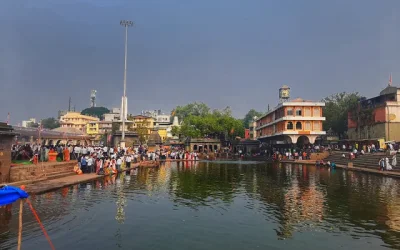
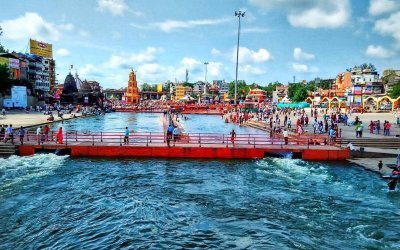
नाशिक कुंभमेळ्यातील पूजा घाट

गोदावरी नदीचे सर्वात पवित्र घाट शोधा जिथे यात्रेकरू दिव्य सिंहस्थ कुंभमेळ्यादरम्यान पवित्र स्नान, विधी, दीप दान आणि आध्यात्मिक समारंभांसाठी एकत्र येतात.

Ganga Ghat
पवित्र घाट

Ganga Ghat

Located on the Godavari riverfront, Ganga Ghat is known for its peaceful atmosphere and the beautiful Goda Aarti held in the evening. Devotees gather here for prayers, rituals, and holy bathing.