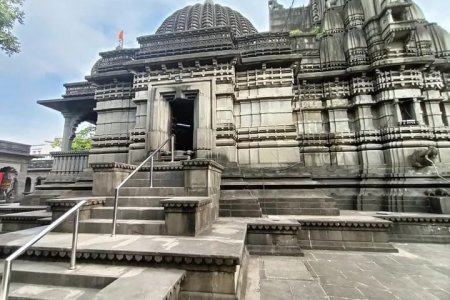
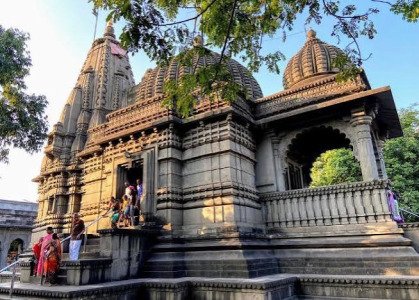
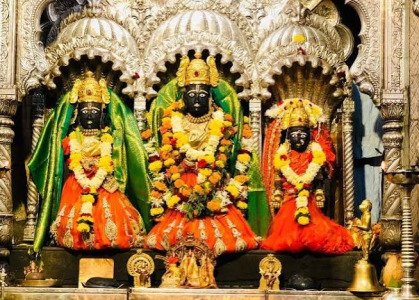
Kalaram Temple, Nashik is one of the most important and historic temples in Panchavati. Dedicated to Lord Rama, the temple is particularly famous for its distinctive black stone idol of Lord Rama, which gives the temple its name—“Kala” meaning black and “Ram” referring to Lord Rama.
Located near the sacred Godavari River, Kalaram Temple is an important pilgrimage destination as well as a significant part of Nashik's cultural and architectural heritage. Its connection with Panchavati and the Ramayana traditions makes it a popular place to visit for devotees, history enthusiasts, and tourists exploring Nashik.
The present Kalaram Temple is traditionally associated with the Peshwa period and is believed to have been built in 1792 by Sardar Rangarao Odhekar.
According to local tradition, the black stone idols of Lord Rama, Goddess Sita, and Lord Lakshmana were discovered in the Godavari River. The discovery is associated with a divine vision, after which the temple was constructed to enshrine the sacred idols.
Over the years, Kalaram Temple became an important center of worship in Panchavati and continues to attract devotees from Nashik and different parts of India.
The temple is also remembered for its place in the social and reform history of Maharashtra. Dr. B. R. Ambedkar led the Kalaram Temple Entry Satyagraha in 1930, making the temple significant not only from a religious perspective but also in the history of social equality movements in India.
Kalaram Temple is dedicated to Lord Rama, with the principal deity traditionally represented in black stone.
The temple is particularly important because of its connection with Panchavati, an area strongly associated with the Ramayana tradition.
Devotees visit the temple to:
Offer prayers to Lord Rama
Seek spiritual peace and blessings
Worship Goddess Sita and Lord Lakshmana
Participate in religious festivals and ceremonies
Explore the sacred temples and places around Panchavati
Major festivals such as Ram Navami, Dussehra, and Diwali bring a particularly devotional atmosphere to the temple.
The surrounding Panchavati area also becomes highly active during the Nashik Kumbh Mela, when large numbers of pilgrims visit the city's sacred places.
One of the first things visitors notice about Kalaram Temple is its impressive black basalt stone architecture.
The temple is traditionally described as being built in the Hemadpanthi architectural style and features carefully carved stonework, pillars, sculptures, and a prominent shikhara.
The use of dark basalt gives the temple a distinctive appearance and contributes to its name.
The craftsmanship of the stone structure makes Kalaram Temple interesting not only for devotees but also for visitors interested in Indian temple architecture and heritage.
The principal attraction of Kalaram Temple is the black stone idol of Lord Rama.
The temple also houses representations of Goddess Sita and Lord Lakshmana, creating a sacred setting associated with the Ramayana tradition.
For devotees, the idols are the spiritual heart of the temple. For visitors interested in history and culture, they provide an opportunity to experience an important part of Nashik's religious heritage.
Kalaram Temple is located in Panchavati, Nashik, one of the city's most important pilgrimage areas.
Panchavati is traditionally associated with the period of Lord Rama's exile and contains several temples, caves, ghats, and other religious landmarks.
Because of this concentration of attractions, visitors can easily combine a visit to Kalaram Temple with a wider Panchavati sightseeing and pilgrimage itinerary.
Kalaram Temple is an important religious attraction to include when exploring Nashik during the Kumbh Mela.
During the Kumbh Mela period, pilgrims visit Panchavati and the Godavari Ghats as part of their religious journey. Kalaram Temple can be included along with Ramkund, Sita Gufa, Kapaleshwar Temple, and other nearby attractions.
However, Kumbh Mela arrangements can change depending on crowd levels, traffic management, security measures, and local administration instructions. Visitors should check the latest official information before travelling.
Kalaram Temple can be visited throughout the year.
For comfortable sightseeing around Panchavati, October to March is generally a pleasant period.
The temple and surrounding area become particularly lively during religious festivals such as:
Ram Navami
Dussehra
Diwali
Nashik Kumbh Mela
Other important Hindu religious occasions
If you prefer a quieter visit, consider visiting outside major festival periods.
Nashik Airport (Ozar) is the nearest airport serving Nashik. From the airport, visitors can continue towards Panchavati using taxis or other available local transportation.
Nashik Road Railway Station is approximately 10 km from Kalaram Temple. Taxis, auto-rickshaws, buses, and other local transport options are available from the railway station.
Kalaram Temple is well connected to different parts of Nashik. Visitors can reach Panchavati by city buses, auto-rickshaws, taxis, or private vehicles.
During festivals and the Kumbh Mela, visitors should allow extra travel time because traffic restrictions and temporary vehicle arrangements may be introduced.
One of the advantages of visiting Kalaram Temple is its location in the heart of Panchavati, where several important attractions are nearby.
Ramkund is a major pilgrimage site on the Godavari River and an important place for religious rituals and pilgrimage activities.
Sita Gufa, or Sita Cave, is a popular attraction associated with the Ramayana traditions of Panchavati.
Located near Ramkund, Kapaleshwar Temple is an important Shiva temple and another significant religious attraction in the area.
Explore the wider Panchavati area to experience its temples, traditional streets, religious landmarks, and connection with the Ramayana tradition.
The Godavari Ghats offer visitors an opportunity to experience the spiritual and cultural atmosphere of Nashik.
Tapovan is another notable religious and historical area that can be included in a Panchavati sightseeing route.
Kalaram Temple is famous for its black stone idol of Lord Rama, historic architecture, religious significance, and connection with the Panchavati area of Nashik.
The name comes from “Kala,” meaning black, and “Ram,” referring to Lord Rama, because the principal idol of Lord Rama is traditionally represented in black stone.
The present temple is traditionally associated with Sardar Rangarao Odhekar and is believed to have been constructed in 1792 during the Peshwa period.
Kalaram Temple is located in Panchavati, Nashik, Maharashtra, near the Godavari River and several other important religious attractions.
The temple is traditionally associated with Hemadpanthi-style architecture and is constructed primarily from black basalt stone, with carved pillars, sculptures, and a prominent shikhara.
Kalaram Temple is located in Panchavati, an area strongly associated with the Ramayana tradition and the period of Lord Rama's exile.
Nearby attractions include Ramkund, Sita Gufa, Kapaleshwar Temple, Godavari Ghats, Panchavati, and Tapovan.
Yes. Kalaram Temple can be included in a Nashik Kumbh Mela pilgrimage and sightseeing itinerary. Visitors should check current crowd-management and access arrangements during the event.
The temple can be visited throughout the year. October to March is generally comfortable for exploring Nashik, while Ram Navami and other festivals offer a particularly vibrant religious experience.
Kalaram Temple offers more than a traditional temple visit. It brings together religious heritage, Ramayana traditions, historic architecture, social history, and the cultural identity of Panchavati.
Whether you are visiting Nashik as a pilgrim, tourist, history enthusiast, architecture lover, or as part of your Nashik Kumbh Mela 2027 journey, Kalaram Temple is an important destination to include in your itinerary.
Kalaram Temple, Nashik is one of the city's most significant religious and heritage landmarks. Its distinctive black stone architecture, association with Lord Rama, historic importance, and location in Panchavati make it a memorable place to visit.
A visit to Kalaram Temple becomes even more meaningful when combined with nearby Ramkund, Sita Gufa, Kapaleshwar Temple, and the Godavari Ghats. Together, these destinations offer visitors a deeper experience of Nashik's spiritual and cultural heritage.
Local Tips & Insider Advice for Visitors If you are visiting Kalaram Temple for the first time, these practical tips can make your visit easier. 1. Combine Kalaram Temple with a Panchavati Visit Instead of visiting only the temple, plan enough time to explore nearby attractions such as Ramkund, Sita Gufa, Kapaleshwar Temple, and the Godavari Ghats. This gives you a better understanding of Panchavati's religious and cultural heritage. 2. Visit Earlier in the Day An early visit can be more comfortable, particularly if you want to explore several attractions in Panchavati. Festival days can be considerably busier. 3. Dress Respectfully Kalaram Temple is an active place of worship. Visitors should dress respectfully and follow temple customs. 4. Follow Temple Rules Photography, footwear, entry areas, and other visitor rules may vary. Follow the instructions displayed by the temple authorities rather than assuming that all areas are accessible. 5. Keep Valuables Secure Panchavati can become crowded, particularly during festivals and religious events. Keep your phone, wallet, documents, and other valuables secure. Families travelling with children should take additional care in crowded areas. 6. Expect More Crowds During Festivals Ram Navami and major religious occasions can attract large numbers of devotees. If you want to attend a festival, plan additional time for queues, parking, transportation, and movement around the temple. 7. Plan Extra Time During Kumbh Mela During the Nashik Kumbh Mela, Panchavati can experience significant increases in visitor numbers. Traffic routes, parking, pedestrian movement, and access arrangements may be different from normal days. Check current local and official arrangements before starting your journey. 8. Explore the Area on Foot Where Practical Several religious attractions around Panchavati are relatively close to each other. Depending on crowd and access conditions, walking between nearby attractions can be a convenient way to explore the area. 9. Respect Religious Activities Avoid interrupting prayers, rituals, or ceremonies for photographs or sightseeing. Remember that Kalaram Temple is first and foremost a place of worship. 10. Ask for Current Local Information Festival arrangements, access routes, parking locations, and crowd-control measures can change. For temporary arrangements, confirm the latest information with temple authorities or official local information point
Budget Rooms in Nashik | Guest Houses in Nashik | Hotels in Nashik | Lodges in Nashik | Tent Bookings in Nashik
Astrologers in Nashik | Autos/Taxis in Nashik | Bus Services in Nashik | Car Rentals in Nashik | Hospitals in Nashik | Pandits in Nashik | Puja Bookings in Nashik | Tour & Travels in Nashik
Shree Sant Nivruttinath Maharaj Samadhi Mandir, Trimbakeshwar, Nashik | Shri Swaminarayan Mandir, Nashik | Kevdiban Mhasoba Maharaj Temple, Nashik | Tringalwadi Fort, Igatpuri, Nashik | Ghatandevi Temple, Igatpuri, Nashik | Dhamma Giri Vipassana Centre, Igatpuri, Nashik | Vaitarna Dam, Igatpuri, Nashik | Kushavarta Kund, Trimbakeshwar, Nashik | Renuka Mata Mandir, Chandwad, Nashik | Ganga Godavari Temple, Nashik | Kalsubai Trek, Nashik | Ramshej Fort, Nashik | नाशिकची आकर्षणे मधील सर्व पहा