ॐ
व्यवसाय सूचीबद्ध करें
सिंहस्थ पर्व · जुलाई – सितंबर 2027

नाशिक कुंभ मेला 2027 की दिव्य यात्रा का अनुभव करें

बारह वर्षों में एक बार आस्था, अग्नि और पवित्र गोदावरी का संगम। सत्यापित ठहराव, विश्वसनीय गाइड और शहर की सबसे संपूर्ण आध्यात्मिक निर्देशिका के साथ अपनी तीर्थयात्रा की योजना बनाएं।

प्रायोजक
अपडेट
सिंहस्थ कुंभ मेला 2027 · नाशिक एवं त्र्यंबकेश्वर, महाराष्ट्र ✦ आधिकारिक अमृत स्नान (शाही स्नान) तिथियाँ — जुलाई से सितंबर 2027 · अपना कैलेंडर चिह्नित करें ✦ 12 करोड़+ तीर्थयात्री अपेक्षित · विश्व का सबसे बड़ा शांतिपूर्ण जमावड़ा ✦ पवित्र घाट: रामकुंड · कुशावर्त · सोमकुंड · कपिलेश्वर · गोरकुंड ✦ परिवार पंजीकृत करें और अद्वितीय QR कलाई-बैंड पाएं — निःशुल्क ✦ आपातकालीन हेल्पलाइन: 1800-123-4567 · 24 × 7 उपलब्ध ✦ त्र्यंबकेश्वर ज्योतिर्लिंग · पंचवटी · गोदावरी संगम ✦ हमारे पोर्टल पर सत्यापित होटल, धर्मशालाएं और गाइड खोजें ✦ सिंहस्थ कुंभ मेला 2027 · नाशिक एवं त्र्यंबकेश्वर, महाराष्ट्र ✦ आधिकारिक अमृत स्नान (शाही स्नान) तिथियाँ — जुलाई से सितंबर 2027 · अपना कैलेंडर चिह्नित करें ✦ 12 करोड़+ तीर्थयात्री अपेक्षित · विश्व का सबसे बड़ा शांतिपूर्ण जमावड़ा ✦ पवित्र घाट: रामकुंड · कुशावर्त · सोमकुंड · कपिलेश्वर · गोरकुंड ✦ परिवार पंजीकृत करें और अद्वितीय QR कलाई-बैंड पाएं — निःशुल्क ✦ आपातकालीन हेल्पलाइन: 1800-123-4567 · 24 × 7 उपलब्ध ✦ त्र्यंबकेश्वर ज्योतिर्लिंग · पंचवटी · गोदावरी संगम ✦ हमारे पोर्टल पर सत्यापित होटल, धर्मशालाएं और गाइड खोजें ✦
हर विवरण की योजना बनाएं

सूची श्रेणियाँ देखें

लक्जरी होटलों से लेकर साधारण धर्मशालाओं तक, प्रमाणित गाइडों से लेकर चिकित्सा सहायता तक — एक तीर्थयात्री को जो भी सेवा चाहिए, सब एक विश्वसनीय स्थान पर।

नाशिक कुंभ मेला 2027 के लिए आपकी स्थानीय गाइड

जहाँ स्वर्ग गोदावरी को स्पर्श करता है

नाशिक कुंभ मेला 2027 — जिसे सिंहस्थ कहा जाता है क्योंकि बृहस्पति सिंह राशि में प्रवेश करता है — भारत के चार महान कुंभ समागमों में से एक है। पवित्र गोदावरी नदी के तट पर हर बारह वर्षों में एक बार आयोजित यह महोत्सव नाशिक और त्र्यंबकेश्वर को केसर, पवित्र अग्नि और प्राचीन मंत्रोच्चार की दीप्तिमान आभा में बदल देता है।

शास्त्रों के अनुसार, जब अमृत कलश (अमरत्व का अमृत) स्वर्गलोक में ले जाया जा रहा था, तो चार बूँदें धरती पर गिरीं — प्रयागराज, हरिद्वार, उज्जैन और नाशिक। इस शुभ काल में गोदावरी में स्नान करने से आत्मा का जन्म-मृत्यु के चक्र से मुक्ति मिलती है।

आध्यात्मिक गहराई से परे, कुंभ मानव जाति का विश्व का सबसे बड़ा शांतिपूर्ण जमावड़ा भी है — अखाड़ों, नागा साधुओं, शास्त्रीय संगीत, वैदिक प्रवचन और सदियों पुरानी परंपराओं का जीवंत संग्रहालय। यह भारत का सबसे कालातीत रूप है।

हमारा पोर्टल प्रत्येक तीर्थयात्री का मार्गदर्शन करने के लिए है — जीवनभर के सपने की यात्रा करने वाले बुजुर्ग से लेकर पहली बार आने वाले अंतर्राष्ट्रीय यात्री तक — सत्यापित आवास, विश्वसनीय स्थानीय गाइडों, आपातकालीन सेवाओं, परिवहन और नाशिक की अद्भुत विरासत के माध्यम से: त्र्यंबकेश्वर ज्योतिर्लिंग, पंचवटी, रामकुंड, सुला के अंगूर के बागान और वे चिरंतन घाट जहाँ नदी स्वयं प्रार्थना बन जाती है।

2027 और 2028 के लिए आधिकारिक अमृत स्नान (शाही स्नान) तिथियाँ देखें।

कुंभ को जानें

कथा से आरंभ करें

यात्रा की योजना बनाने से पहले जानिए कि आप किस ओर बढ़ रहे हैं — कुंभ क्या है, इसका उद्गम कहाँ से है, और वे कौन से क्षण हैं जब नदी पवित्र हो उठती है।

मेले से परे

नाशिक के चिरंतन आकर्षण

पवित्र मंदिर, छिपे घाट, धूप में नहाए अंगूर के बागान और हनुमान की जन्मभूमि — सभी मेला मैदान से थोड़ी दूरी पर।

Brahmagiri Hill, Trimbakeshwar, Nashik

Brahmagiri Hill, Trimbakeshwar, Nashik

30

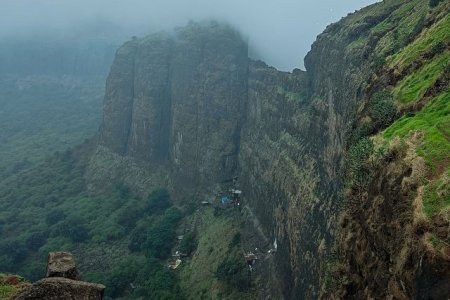
Brahmagiri Hill, Trimbakeshwar, Nashik – The Sacred Source of the Godavari River Located near Trimbakeshwar, around 30 km from Nashik City, Brahmagiri Hill is one of the most sacred mountains in Maharashtra. Rising to an elevation of approximately 1,298 metres (4,258 feet) above sea level, the hill is revered as the sacred origin of the Godavari River, often called the “Ganga of South India.” Brahmagiri Hill is an important pilgrimage destination for devotees of Lord Shiva and is also a popular trekking destination for nature lovers and adventure enthusiasts. Its religious significance, ancient temples, scenic Sahyadri landscapes, and trekking route make it one of the important attractions to visit near Trimbakeshwar and Nashik. Brahmagiri Hill – History and Religious Significance According to Hindu mythology, Sage Gautama and his wife Ahalya performed penance on Brahmagiri Hill. After an accidental incident involving a sacred cow, Sage Gautama prayed to Lord Shiva for forgiveness. Pleased with his devotion, Lord Shiva requested the River Ganga to descend on the hill in the form of the Godavari River. This divine association is why Brahmagiri is regarded as the sacred birthplace of one of India's longest and holiest rivers. Because of its connection with Lord Shiva, Sage Gautama, and the origin of the Godavari River, Brahmagiri Hill holds great religious importance for pilgrims visiting Nashik and Trimbakeshwar. Brahmagiri Hill and Trimbakeshwar Jyotirlinga Temple Brahmagiri Hill stands directly behind the famous Trimbakeshwar Jyotirlinga Temple, one of the 12 Jyotirlingas dedicated to Lord Shiva. Many devotees visit Trimbakeshwar Temple and then proceed towards Brahmagiri Hill to seek blessings and experience the sacred surroundings associated with the origin of the Godavari River. The traditional Brahmagiri Parikrama is also considered highly auspicious by pilgrims and forms an important part of the spiritual experience around the hill. Brahmagiri Hill Trekking Experience The climb to Brahmagiri Hill involves hundreds of well-built stone steps leading towards the hilltop. The trek combines spiritual exploration with scenic views of the surrounding Sahyadri landscape. During the climb, visitors can experience: Panoramic views of the Sahyadri Mountains Ancient caves and temples Sacred water tanks Shiva temples Scenic viewpoints Peaceful natural surroundings The trek can be undertaken by pilgrims as well as adventure enthusiasts with moderate fitness levels. Visitors should plan their climb according to weather conditions and their physical ability. Major Attractions Around Brahmagiri Hill Several important religious, historical, and natural attractions can be explored around Brahmagiri Hill. Brahmagiri Hill Summit The summit offers scenic views of the surrounding Sahyadri ranges and the Trimbakeshwar region. Origin of the Godavari River Brahmagiri is traditionally revered as the sacred source of the Godavari River, giving the hill immense religious importance. Trimbakeshwar Jyotirlinga Temple Located near the base of Brahmagiri Hill, Trimbakeshwar Temple is one of the 12 Jyotirlingas of Lord Shiva and an important pilgrimage destination. Kushavarta Kund Kushavarta Kund is an important sacred water site associated with the Godavari River and the Trimbakeshwar pilgrimage tradition. Gangadwar Gangadwar is another spiritually significant location associated with the sacred presence and origin of the Godavari. Gorakhnath Cave The area around Brahmagiri also includes ancient caves and spiritually significant places associated with religious traditions. Brahmagiri Parikrama Route The traditional Brahmagiri Parikrama route is followed by devotees as part of their pilgrimage and spiritual journey. Sahyadri Viewpoints The hill provides beautiful views of the surrounding Sahyadri landscape, particularly during the monsoon when the region becomes lush green. Best Time to Visit Brahmagiri Hill The best time to visit Brahmagiri Hill is generally October to March, when the weather is relatively cool and pleasant for trekking and sightseeing. Brahmagiri Hill During Monsoon During the June to September monsoon season, Brahmagiri becomes lush green, with flowing streams, mist-covered landscapes, and spectacular natural views. However, heavy rainfall can make stone steps and trekking paths slippery. Visitors should exercise caution and avoid trekking during severe weather conditions. How to Reach Brahmagiri Hill from Nashik By Road Brahmagiri Hill is approximately 30 km from Nashik City and around 3 km from Trimbakeshwar Bus Stand. Regular buses, taxis, and private vehicles are available from Nashik to Trimbakeshwar. From Trimbakeshwar, visitors can proceed towards the Brahmagiri Hill trekking route. By Rail The nearest major railway station is Nashik Road Railway Station, located approximately 38 km from Brahmagiri Hill. From Nashik Road Railway Station, visitors can take a bus, taxi, or private vehicle towards Trimbakeshwar. By Air The nearest airport is Nashik Airport (Ozar). From the airport, visitors can use taxis or private vehicles to reach Trimbakeshwar and then proceed towards Brahmagiri Hill. Brahmagiri Hill Travel and Trekking Tips Visitors should keep the following points in mind while planning their trip: Start the trek early in the morning. Wear comfortable trekking shoes with a good grip. Carry sufficient drinking water and light snacks. Avoid trekking during heavy rainfall or adverse weather conditions. Be careful on slippery steps during the monsoon. Respect the religious significance of Brahmagiri Hill. Avoid littering and help keep the natural surroundings clean. Follow local safety instructions and remain on designated trekking routes. Brahmagiri Hill for Pilgrims, Trekkers and Nature Lovers Brahmagiri Hill offers a combination of spirituality, mythology, trekking, and natural beauty. Pilgrims can explore the religious significance of the Godavari River and the nearby Trimbakeshwar Jyotirlinga Temple. Trekkers can experience the stone-step climb and Sahyadri views, while nature lovers can enjoy the peaceful surroundings and monsoon landscapes. Because of this combination, Brahmagiri Hill is an important destination for visitors exploring Trimbakeshwar, Nashik, and nearby spiritual and natural attractions. Frequently Asked Questions About Brahmagiri Hill Where is Brahmagiri Hill located? Brahmagiri Hill is located near Trimbakeshwar in Nashik district, Maharashtra, approximately 30 km from Nashik City. What is Brahmagiri Hill famous for? Brahmagiri Hill is famous for its religious significance, its traditional association with the origin of the Godavari River, its connection with Trimbakeshwar Jyotirlinga, and its trekking route. How high is Brahmagiri Hill? Brahmagiri Hill has an elevation of approximately 1,298 metres (4,258 feet) above sea level. Is Brahmagiri Hill good for trekking? Yes. The hill has a stone-step trekking route and offers scenic views of the surrounding Sahyadri Mountains. Visitors should have reasonable fitness and choose suitable weather conditions. What is the best time to visit Brahmagiri Hill? The generally preferred period is October to March because of the pleasant weather. The monsoon season offers lush green landscapes but requires extra caution because of slippery paths. Is Brahmagiri Hill near Trimbakeshwar Temple? Yes. Brahmagiri Hill is located directly behind the Trimbakeshwar Jyotirlinga Temple and is closely associated with the Trimbakeshwar pilgrimage circuit. What are the major attractions near Brahmagiri Hill? Major attractions include Trimbakeshwar Jyotirlinga Temple, Kushavarta Kund, Gangadwar, Gorakhnath Cave, Brahmagiri Summit, the traditional Parikrama route, and Sahyadri viewpoints. Conclusion – Brahmagiri Hill Experience Brahmagiri Hill is a unique destination where spirituality, mythology, trekking, and natural beauty come together. Revered as the sacred source of the Godavari River and located beside the famous Trimbakeshwar Jyotirlinga, the hill holds immense religious importance. Whether you are a pilgrim seeking blessings, a trekker exploring the Sahyadri ranges, or a traveler looking for scenic landscapes, Brahmagiri Hill offers a memorable and spiritually enriching experience near Trimbakeshwar and Nashik.

दिशा-निर्देश पाएं
Bhimashankar Jyotirlinga

Bhimashankar Jyotirlinga

215km

Bhimashankar Jyotirlinga – A Sacred Abode of Lord Shiva Introduction Bhimashankar Jyotirlinga, located in the Sahyadri Hills of Maharashtra's Pune district, is one of the 12 sacred Jyotirlingas dedicated to Lord Shiva. Surrounded by dense forests, mountains, and scenic landscapes, Bhimashankar is both an important pilgrimage destination and a popular place for nature lovers, trekkers, and wildlife enthusiasts. The temple is situated at an altitude of approximately 1,000 metres (3,280 feet) above sea level and is associated with the Bhimashankar Wildlife Sanctuary. History and Religious Significance According to Hindu mythology, Bhimashankar is associated with the demon Bhima, who is said to have troubled the region. According to the traditional legend: Devotees prayed to Lord Shiva for protection. Lord Shiva appeared and defeated the demon Bhima. After the victory, Lord Shiva manifested himself as a Jyotirlinga. The sacred site subsequently became known as Bhimashankar. The region is also traditionally associated with the origin of the Bhima River. As one of the twelve Jyotirlingas, Bhimashankar holds an important place in Hindu pilgrimage traditions. Bhimashankar Temple Architecture The Bhimashankar Temple is known for its traditional stone architecture and intricate craftsmanship. Important architectural features include: Nagara-style architectural elements Influences of the Hemadpanti style Black stone construction Intricate carvings Decorative pillars Sacred Shiva Linga in the sanctum The combination of ancient architecture and the surrounding Sahyadri landscape creates a distinctive pilgrimage experience. Bhimashankar Wildlife Sanctuary The temple is surrounded by the Bhimashankar Wildlife Sanctuary, making the destination particularly attractive to visitors interested in nature and wildlife. The sanctuary region is known for: Dense forests Sahyadri mountain landscapes Rich biodiversity Scenic trekking routes Monsoon greenery Nature photography opportunities Visitors should follow forest regulations and avoid disturbing wildlife. Major Attractions Near Bhimashankar Visitors can explore several religious, natural, and adventure attractions around Bhimashankar: Bhimashankar Jyotirlinga Temple Bhimashankar Wildlife Sanctuary Hanuman Lake Gupt Bhimashankar Nagphani (Cobra's Hood Viewpoint) Bhima River Origin Point Forest Trekking Trails These attractions make Bhimashankar suitable for pilgrims as well as nature and adventure enthusiasts. Trekking and Nature Activities Bhimashankar is a popular destination for trekking, especially during and after the monsoon season. Visitors can enjoy: Forest trekking Mountain walks Nature photography Scenic viewpoints Bird watching Exploring the surrounding Sahyadri landscape Trekking routes may become slippery during the monsoon, so appropriate footwear and caution are important. Major Festivals Several important religious occasions are celebrated at Bhimashankar Temple, including: Mahashivratri One of the most important festivals dedicated to Lord Shiva, attracting large numbers of devotees. Shravan Mondays Mondays during the holy month of Shravan are considered especially significant for Shiva worship. Kartik Purnima Devotees visit the temple for prayers and religious observances. Tripurari Purnima The festival is observed with traditional religious activities. Pradosh Puja Special prayers and worship are performed on Pradosh days. Best Time to Visit Bhimashankar The best time for comfortable sightseeing and pilgrimage is generally October to March, when the weather is cooler. Monsoon Season From June to September, the Sahyadri landscape becomes lush green and waterfalls and streams become more prominent. This period is particularly attractive to trekkers and nature lovers, although heavy rainfall can make roads and trekking trails challenging. How to Reach Bhimashankar By Road Bhimashankar is approximately: 110 km from Pune 210 km from Mumbai 240 km from Nashik Buses, taxis, and private vehicles are available from major cities in Maharashtra. By Rail The nearest major railway station is Pune Junction. From Pune, visitors can continue by road. By Air The nearest major airport is Pune International Airport, followed by a road journey to Bhimashankar. Bhimashankar from Nashik Bhimashankar can be included in a broader Nashik–Pune pilgrimage and tourism route. For visitors travelling from Nashik, the destination offers a combination of: Jyotirlinga pilgrimage Temple heritage Sahyadri mountain scenery Wildlife and nature experiences Trekking opportunities. Why Visit Bhimashankar Jyotirlinga? Bhimashankar brings together religious significance, ancient temple architecture, Sahyadri landscapes, wildlife, and trekking opportunities. It is a destination where pilgrims can visit a sacred Jyotirlinga while travellers can explore the natural beauty of the surrounding mountains and forests. Conclusion Bhimashankar Jyotirlinga is one of Maharashtra's important Shiva pilgrimage destinations and one of the twelve Jyotirlingas traditionally revered in Hinduism. Located amidst the Sahyadri Hills and surrounded by forest landscapes, it offers a combination of spiritual heritage, temple architecture, nature, and adventure. For travellers exploring Maharashtra, Bhimashankar can be an important destination on a Nashik, Pune, and Sahyadri pilgrimage-tourism circuit.

दिशा-निर्देश पाएं
Naroshankar Mandir, Nashik

Naroshankar Mandir, Nashik

5km

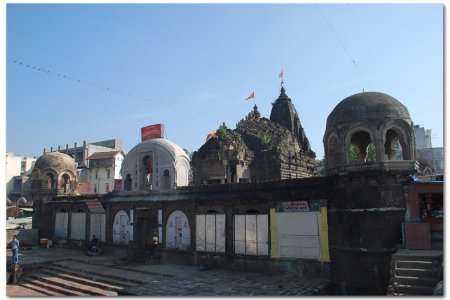
Naroshankar Mandir, Nashik – A Historic Shiva Temple on the Banks of the Godavari Located in the sacred Panchavati area of Nashik, on the banks of the Godavari River, Naroshankar Mandir is one of the city's most prominent historic temples. Dedicated to Lord Shiva, the temple is particularly famous for its impressive Maratha-era architecture and the historic Naroshankar Bell (Naroshankar Ghanta). Built in 1747 during the Peshwa period, the temple is an important part of Nashik's religious and cultural heritage. Its location near the Godavari ghats and other famous Panchavati temples makes it a popular destination for devotees, history enthusiasts, architecture lovers, and tourists. History and Religious Significance of Naroshankar Mandir Naroshankar Mandir was built in 1747 by Naroshankar Rajebahadur (Dani), a prominent Maratha noble. The temple is dedicated to Lord Shiva, worshipped here as Rameshwar Mahadev. Over the centuries, it has remained an important religious site and has become a significant part of Nashik's historic temple landscape. The temple's architecture and location also reflect the importance of the Godavari River and Panchavati as a major religious center. The Famous Naroshankar Bell – Naroshankar Ghanta One of the most distinctive features of Naroshankar Mandir is the historic Naroshankar Bell, popularly known as Naroshankar Ghanta. According to the historical tradition associated with the bell, it was brought from Vasai Fort after the Marathas defeated the Portuguese in 1739. The bell was subsequently installed at the temple and became associated with the Maratha victory. The bell has since become one of the recognizable symbols of Nashik's historical heritage. The phrase "Naroshankarachi Ghanta" is also widely known in Maharashtra, adding a cultural connection between the temple and the city's identity. Naroshankar Mandir Architecture Naroshankar Mandir is admired for its traditional stone craftsmanship and historic architectural character. The temple showcases a blend of Maratha, Rajasthani, and Gujarati architectural influences, making it an interesting destination for visitors interested in heritage architecture. Key architectural features include: Finely carved stone construction Decorative pillars Elegant arches Intricate sculptures Traditional temple elements A prominent shikhara (spire) The temple's position beside the Godavari River adds to its visual and spiritual appeal, particularly when viewed together with the historic ghats surrounding it. Naroshankar Mandir and the Godavari River The temple's location on the banks of the Godavari River is an important part of its character. Panchavati has long been associated with religious traditions, sacred bathing ghats, temples, and pilgrimage activities. Visitors can experience the combination of temple architecture and the riverside atmosphere while exploring this historic part of Nashik. The surrounding Godavari ghats also become important gathering places during major religious occasions. Naroshankar Mandir During Nashik Kumbh Mela Panchavati and the Godavari ghats have an important place in Nashik's pilgrimage landscape during the Nashik Kumbh Mela. The wider Panchavati area, including important temples and sacred ghats, becomes part of the religious experience for pilgrims visiting Nashik. Visitors planning a Kumbh pilgrimage can include Naroshankar Mandir along with other nearby heritage and religious attractions, subject to local access arrangements and crowd-management guidelines during the event. Major Attractions Near Naroshankar Mandir The temple's location in Panchavati makes it convenient to explore several important religious and historical destinations nearby. Naroshankar Bell The historic bell is one of the most recognizable features associated with the temple and an important part of Nashik's Maratha heritage. Godavari River Ghats The nearby ghats provide visitors with a connection to the sacred Godavari River and the religious traditions of Panchavati. Ramkund Ramkund is one of the most important pilgrimage sites in Nashik and is located within the Panchavati area. Kalaram Temple Kalaram Temple is another major historic temple associated with the religious heritage of Panchavati. Kapaleshwar Mahadev Temple Dedicated to Lord Shiva, Kapaleshwar Mahadev Temple is another important spiritual destination in the area. Sundarnarayan Mandir The historic Sundarnarayan Mandir, dedicated to Lord Vishnu, can also be included in a Panchavati temple tour. Sita Gufa Sita Gufa is another well-known religious attraction associated with the traditional Ramayana heritage of Panchavati. Together, these destinations make Panchavati an important religious, cultural, and heritage tourism area in Nashik. Major Festivals and Religious Occasions Naroshankar Mandir observes important Hindu religious occasions, with Mahashivratri being particularly significant for devotees of Lord Shiva. The wider Panchavati and Nashik region also experiences large gatherings during major pilgrimage events, including the Nashik Kumbh Mela. During such occasions, visitors should expect increased crowds and should follow local administration and temple guidelines. Best Time to Visit Naroshankar Mandir The period from October to March is generally comfortable for visiting Nashik and exploring the temple and nearby attractions. Devotees may also visit during Mahashivratri and other religious occasions to experience the temple's devotional atmosphere. For visitors planning a Panchavati sightseeing tour, mornings and evenings can also be suitable for exploring the riverside area, depending on local conditions and temple timings. How to Reach Naroshankar Mandir, Nashik By Road Naroshankar Mandir is located in Panchavati, approximately 2 km from Nashik CBS Bus Stand. Visitors can reach the temple using: Local buses Auto-rickshaws Taxis Private vehicles Its central location makes it convenient to combine with other Panchavati attractions. By Rail Nashik Road Railway Station is approximately 10 km from the temple. From the railway station, visitors can use taxis, auto-rickshaws, buses, or private vehicles to reach Panchavati. By Air The nearest airport is Nashik Airport at Ozar, approximately 25 km from the temple. Visitors can continue their journey from the airport by taxi or private vehicle. Frequently Asked Questions About Naroshankar Mandir, Nashik Where is Naroshankar Mandir located? Naroshankar Mandir is located in Panchavati, Nashik, on the banks of the Godavari River. Which deity is worshipped at Naroshankar Mandir? The temple is dedicated to Lord Shiva, worshipped here as Rameshwar Mahadev. When was Naroshankar Mandir built? The temple was built in 1747 during the Peshwa period by Naroshankar Rajebahadur (Dani). Why is Naroshankar Mandir famous? The temple is particularly famous for its historic architecture, riverside location, and Naroshankar Bell, which is associated with Maratha history. What is the Naroshankar Bell? The Naroshankar Bell, or Naroshankar Ghanta, is a historic bell traditionally associated with the Maratha victory over the Portuguese at Vasai in 1739. What architectural style does Naroshankar Mandir have? The temple is known for a combination of Maratha, Rajasthani, and Gujarati architectural influences, along with detailed stone craftsmanship. How far is Naroshankar Mandir from Nashik CBS? The temple is approximately 2 km from Nashik CBS Bus Stand. How far is Naroshankar Mandir from Nashik Road Railway Station? Nashik Road Railway Station is approximately 10 km from the temple. What are the nearby attractions? Important nearby attractions include Ramkund, Kalaram Temple, Kapaleshwar Mahadev Temple, Sundarnarayan Mandir, Sita Gufa, and the Godavari River ghats. Can Naroshankar Mandir be included in a Nashik Kumbh pilgrimage itinerary? Yes. The temple is located in Panchavati, an important religious area of Nashik. Visitors can include it in their wider Panchavati and Godavari pilgrimage itinerary, subject to access and crowd-management arrangements during major events. Why Visit Naroshankar Mandir? Naroshankar Mandir offers a unique combination of spirituality, history, architecture, and riverside heritage. For devotees, it is an important Shiva temple. For history enthusiasts, the Naroshankar Bell and Peshwa-era connection provide an insight into Maharashtra's past. Architecture lovers can appreciate the temple's detailed stonework and blend of regional styles. Its location in Panchavati also makes it particularly valuable for travelers who want to explore several important religious and historical places within a single Nashik itinerary. Conclusion – Discover the Heritage of Naroshankar Mandir Naroshankar Mandir, Nashik is much more than an old Shiva temple. Its connection with the Peshwa period, the historic Naroshankar Bell, traditional architecture, and location beside the sacred Godavari River make it an important part of Nashik's cultural heritage. Located in the heart of Panchavati, the temple can be conveniently included in a Nashik temple tour, Panchavati heritage walk, spiritual journey, or Kumbh pilgrimage itinerary. For anyone interested in Nashik's historic temples, Lord Shiva, Maratha heritage, Panchavati, or the Godavari River, Naroshankar Mandir is a destination worth exploring.

दिशा-निर्देश पाएं

Anjaneri Hill, Nashik

Anjaneri Hill, Nashik

20km

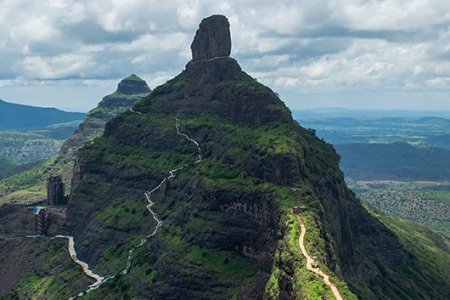
Anjaneri Hill, Nashik – The Sacred Birthplace of Lord Hanuman Nestled in the scenic Sahyadri mountain range near Nashik, Anjaneri Hill is one of Maharashtra’s well-known destinations for trekking, spirituality and nature exploration. Located approximately 20 km from Nashik city on the Nashik–Trimbakeshwar Road, the hill is widely associated with Mata Anjani and the birthplace of Lord Hanuman according to Hindu tradition. With ancient temples, caves, natural surroundings, trekking trails and panoramic mountain views, Anjaneri offers a unique experience for pilgrims, trekkers, photographers, history enthusiasts and nature lovers. Historical and Religious Significance of Anjaneri Hill Anjaneri gets its name from Mata Anjani, traditionally regarded as the mother of Lord Hanuman. According to Hindu belief, Mata Anjani performed penance in this region and Lord Hanuman was born on the sacred hill. Because of this association, Anjaneri holds an important place among religious destinations around Nashik and Trimbakeshwar. The hill and its surroundings also contain ancient temples, caves and other historical remains that reflect the area's long cultural heritage. Anjaneri is therefore not only a trekking destination but also a place where visitors can experience the connection between mythology, spirituality, history and nature. Ancient Jain Caves and Historical Heritage One of the interesting features of Anjaneri Hill is the presence of ancient Jain caves dating back several centuries. These caves add another layer to the historical importance of the region. Their presence shows that the hill and surrounding area have been associated with different spiritual and cultural traditions over the centuries. Visitors interested in history and archaeology can explore these remains while trekking through the hill. Anjaneri Hill Trekking Experience Anjaneri Hill is a popular trekking destination suitable for both beginners and experienced trekkers, depending on weather conditions and individual fitness. The trek is approximately 3–4 km one way and generally takes around 1.5 to 2.5 hours to reach the upper areas, depending on the route, pace and stops along the way. The trail takes visitors through: Lush green landscapes Stone steps Forest sections Rocky terrain Temples and religious sites Ancient caves Scenic viewpoints As you climb higher, the surrounding mountains and valleys gradually open up, creating beautiful views across the Sahyadri landscape. Attractions to Explore on Anjaneri Hill Anjani Mata Temple The Anjani Mata Temple is one of the important religious attractions associated with Anjaneri Hill. Devotees visit the temple as part of their spiritual journey to the hill. Hanuman Temple The hill is closely associated with Lord Hanuman, and the temples and religious sites connected with this tradition attract pilgrims throughout the year. Ancient Jain Caves The ancient Jain caves are among the significant historical features of Anjaneri. They offer visitors an opportunity to explore the hill's lesser-known heritage. Natural Ponds and Water Tanks Natural ponds and old water tanks can be found in the hill area. These features add to the character of the landscape and provide interesting points to explore along the trekking route. Panoramic Views of Brahmagiri Hills From the higher sections of Anjaneri, visitors can enjoy scenic views of the surrounding mountains, including the Brahmagiri Hills and the Trimbakeshwar region. Anjaneri Hill and Nashik–Trimbakeshwar Travel Anjaneri is strategically located along the Nashik–Trimbakeshwar route, making it possible to include the hill in a broader Nashik and Trimbakeshwar travel itinerary. Visitors can plan a day that combines trekking at Anjaneri with visits to nearby religious, natural and cultural attractions around Trimbakeshwar. For pilgrims visiting Nashik, the location also provides an opportunity to explore the spiritual traditions associated with Lord Hanuman, Mata Anjani and the Trimbakeshwar region. Best Time to Visit Anjaneri Hill The best time to visit Anjaneri Hill for comfortable trekking is generally October to March, when the weather is comparatively pleasant. The monsoon season from July to September transforms the hill into a lush green landscape. Mist, clouds and greenery make the trekking route particularly scenic during this period. However, heavy rainfall can make rocks, steps and trails slippery. Trekkers should take extra care during strong monsoon conditions and check local weather conditions before starting the trek. How to Reach Anjaneri Hill, Nashik By Road Anjaneri Hill is approximately 20 km from Nashik city and can be reached via the Nashik–Trimbakeshwar Road. Private vehicles, taxis and MSRTC buses are available from Nashik towards the Anjaneri/base village area. From the base point, visitors can continue on foot towards the hill. By Train The nearest major railway station is Nashik Road Railway Station. From the railway station, visitors can use taxis, buses or other local transport to reach Anjaneri. By Air Nashik Airport (Ozar) is the nearest airport. From the airport, visitors can travel towards Nashik and then continue towards Anjaneri via the Trimbakeshwar Road. Nearby Attractions Around Anjaneri Hill Anjaneri can be combined with several other attractions around Nashik and Trimbakeshwar: Trimbakeshwar Temple – One of the important Jyotirlinga temples of India. Brahmagiri Hill – A significant natural and religious destination near Trimbakeshwar. Kushavarta Tirth – An important pilgrimage site associated with the Godavari tradition. Gangapur Dam – A scenic destination near Nashik. Someshwar Waterfall – A popular natural attraction, particularly during the monsoon. Pandav Leni – Ancient Buddhist rock-cut caves near Nashik. Ramkund – A major religious and cultural landmark in Nashik. Frequently Asked Questions About Anjaneri Hill Where is Anjaneri Hill located? Anjaneri Hill is located near Nashik on the Nashik–Trimbakeshwar Road, approximately 20 km from Nashik city. Why is Anjaneri Hill famous? Anjaneri is famous for its religious association with Mata Anjani and Lord Hanuman, along with its temples, ancient caves, trekking trail and scenic mountain views. Is Anjaneri Hill believed to be the birthplace of Lord Hanuman? According to Hindu tradition and local religious belief, Anjaneri Hill is regarded as the birthplace of Lord Hanuman. How long is the Anjaneri Hill trek? The trek is approximately 3–4 km one way, with the journey to the upper sections generally taking around 1.5 to 2.5 hours, depending on the route, pace and weather. Is Anjaneri Hill suitable for beginners? The trek can be suitable for beginners with reasonable fitness, but the difficulty can vary depending on weather, route conditions and individual trekking experience. What can visitors see at Anjaneri Hill? Visitors can explore Anjani Mata Temple, Hanuman-related religious sites, ancient Jain caves, natural ponds, water tanks and panoramic views of the Brahmagiri Hills and Trimbakeshwar region. Which is the best season for Anjaneri Hill Trek? October to March is generally comfortable for trekking. The monsoon season offers beautiful greenery and misty landscapes but requires additional caution because of slippery conditions. How far is Anjaneri Hill from Trimbakeshwar? Anjaneri Hill is located along the Nashik–Trimbakeshwar route, making it convenient to combine the trek with a visit to Trimbakeshwar and nearby attractions. Why Visit Anjaneri Hill? Anjaneri Hill brings together spirituality, mythology, history, trekking and natural beauty in one destination. For pilgrims, the connection with Mata Anjani and Lord Hanuman makes the hill spiritually meaningful. For trekkers, the uphill trail provides an enjoyable outdoor experience. History enthusiasts can explore the ancient caves and heritage remains, while photographers and nature lovers can enjoy the dramatic Sahyadri landscape. This combination makes Anjaneri one of the interesting destinations to include in a Nashik and Trimbakeshwar travel itinerary. Conclusion – Experience the Spiritual and Natural Beauty of Anjaneri Anjaneri Hill, Nashik is much more than a trekking destination. Its association with Lord Hanuman, ancient temples and caves, green mountain landscape and panoramic views make it a distinctive place to explore near Nashik. Whether you are visiting for pilgrimage, trekking, photography, history or simply to spend time in nature, Anjaneri offers an experience that connects Nashik's spiritual heritage with the beauty of the Sahyadri mountains.

दिशा-निर्देश पाएं
Trimbakeshwar Temple

Trimbakeshwar Temple

30km

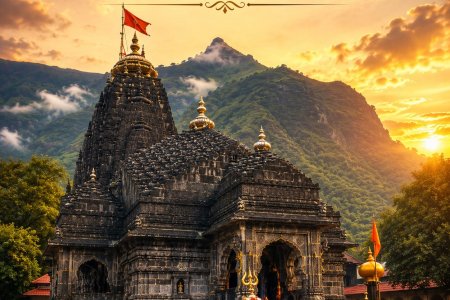
Trimbakeshwar Temple, Nashik – A Complete Travel and Pilgrimage Guide Trimbakeshwar Temple is one of the most sacred Hindu temples dedicated to Lord Shiva. Located in the town of Trimbak, about 28 km from Nashik in Maharashtra, the temple is one of the 12 Jyotirlingas and an important pilgrimage destination for devotees from across India. Situated at the foothills of the Brahmagiri Hills, Trimbakeshwar is also closely associated with the origin of the holy Godavari River, adding to its spiritual and religious importance. History of Trimbakeshwar Temple The history of Trimbakeshwar Temple is deeply connected with Hindu mythology and the traditions surrounding Sage Gautama and the Godavari River. According to Hindu tradition, Sage Gautama and his wife Ahalya lived on Brahmagiri Hill. After an unfortunate incident, Sage Gautama prayed to Lord Shiva for forgiveness. Pleased with his devotion, Lord Shiva brought the sacred River Ganga to the region in the form of the Godavari River and manifested himself as the Trimbakeshwar Jyotirlinga. The present temple is traditionally associated with the 18th century Peshwa period and was built using black basalt stone in the traditional architectural style of the region. Religious Significance of Trimbakeshwar Jyotirlinga Trimbakeshwar is considered unique among the 12 Jyotirlingas because the sacred representation is traditionally associated with the Holy Trinity – Brahma, Vishnu, and Mahesh (Shiva). This represents the three important aspects of existence: Brahma – Creation Vishnu – Preservation Mahesh (Shiva) – Destruction Devotees visit Trimbakeshwar Temple to offer prayers and participate in various religious rituals. The temple is also particularly significant for devotees performing traditional ceremonies associated with ancestral peace and spiritual well-being. Trimbakeshwar Temple Architecture Trimbakeshwar Temple is an important example of traditional Indian temple architecture. The temple is constructed primarily using black stone and features: Intricately carved pillars Detailed stone sculptures Traditional architectural elements A majestic entrance Sacred temple interiors The temple is surrounded by the scenic Brahmagiri, Nilgiri, and Kalagiri Hills, creating a peaceful spiritual atmosphere around the pilgrimage site. Kushavarta Kund – Sacred Connection with the Godavari River Kushavarta Kund is a sacred water tank located near Trimbakeshwar Temple and holds an important place in the religious traditions associated with the Godavari River. It is traditionally regarded as the symbolic origin point of the Godavari in the Trimbakeshwar pilgrimage tradition. Pilgrims visit Kushavarta Kund as part of their religious journey and may take a holy dip according to their beliefs before offering prayers at the temple. Famous Rituals at Trimbakeshwar Temple Trimbakeshwar is well known for several traditional Vedic rituals and religious ceremonies. Narayan Nagbali Puja Narayan Nagbali is a traditional ritual performed by devotees according to specific religious practices and beliefs. Kaal Sarp Shanti Puja Kaal Sarp Shanti is a ritual that some devotees perform based on traditional astrological and religious beliefs. Tripindi Shraddha Tripindi Shraddha is a traditional ancestral ritual performed by devotees seeking peace and spiritual fulfillment for their ancestors. Rudrabhishek Rudrabhishek is a traditional Shiva worship ritual involving the ceremonial offering of various substances to Lord Shiva. Maha Mrityunjaya Jaap Maha Mrityunjaya Jaap involves the traditional chanting of the Maha Mrityunjaya Mantra and is performed by devotees as part of their spiritual practices. Visitors planning to perform any special ritual should check the current temple arrangements, timings, and authorized procedures before their visit. Best Time to Visit Trimbakeshwar Temple Trimbakeshwar Temple can be visited throughout the year. However, October to March is generally a comfortable period because of the pleasant weather. Trimbakeshwar During Maha Shivratri Maha Shivratri is an important festival at the temple and attracts large numbers of devotees. Visitors planning a trip during major festivals should expect larger crowds and should plan their travel and temple visit accordingly. Trimbakeshwar During Nashik Kumbh Mela Trimbakeshwar is one of the important pilgrimage locations associated with the Nashik-Trimbakeshwar Kumbh Mela. During the Kumbh period, the region attracts large numbers of pilgrims and visitors. Travelers planning to visit during major religious events should check official updates regarding crowd management, transportation, entry arrangements, and local restrictions. How to Reach Trimbakeshwar Temple By Road Trimbakeshwar is well connected by road with Nashik and nearby cities. Visitors can travel by state transport buses, taxis, private cars, and other local transport options. The temple is approximately 28 km from Nashik City. By Train The nearest major railway station is Nashik Road Railway Station, approximately 30–40 km from Trimbakeshwar. From Nashik Road, visitors can continue their journey to Trimbakeshwar by bus, taxi, or private vehicle. By Air The nearest airport is Nashik Airport (Ozar). Visitors can use a taxi or private vehicle to travel from the airport towards Trimbakeshwar. Nearby Tourist Attractions Near Trimbakeshwar Temple Trimbakeshwar Temple is surrounded by several important religious, historical, trekking, and natural attractions. Brahmagiri Hill Brahmagiri Hill is closely associated with the origin of the Godavari River and is also a popular trekking destination. Kushavarta Kund Kushavarta Kund is an important sacred site associated with the Godavari River and Trimbakeshwar pilgrimage tradition. Anjaneri Fort Anjaneri is a popular historical and trekking destination in the Nashik region and is traditionally associated with the birthplace of Lord Hanuman. Gangadwar Gangadwar is a spiritually significant location associated with the religious traditions surrounding the Godavari River. Harihar Fort Harihar Fort is a popular trekking destination in the Nashik region, known for its distinctive rock-cut steps and Sahyadri landscape. Coin Museum The Coin Museum is an interesting attraction for visitors interested in Indian numismatic history and heritage. Travel Tips for Visiting Trimbakeshwar Temple Visitors should keep the following points in mind: Plan your visit early in the day, especially during peak pilgrimage periods. Wear comfortable and appropriate clothing for visiting a religious place. Follow the temple's current rules and instructions. Check the latest temple timings and arrangements before travelling. Be prepared for crowds during Maha Shivratri and other major religious occasions. Keep valuables safe while travelling. Respect the religious environment and maintain cleanliness. Follow local traffic, parking, and safety instructions. For special rituals, confirm the current procedure through authorized temple channels. Why Visit Trimbakeshwar Temple? Trimbakeshwar Temple offers a unique combination of spiritual significance, Hindu mythology, ancient temple architecture, sacred traditions, and natural surroundings. The temple's connection with one of the 12 Jyotirlingas, Brahmagiri Hill, and the Godavari River makes Trimbakeshwar an important pilgrimage destination in Maharashtra. A visit can also be combined with nearby temples, sacred sites, trekking destinations, waterfalls, and other attractions around Nashik and Trimbakeshwar. Frequently Asked Questions About Trimbakeshwar Temple Where is Trimbakeshwar Temple located? Trimbakeshwar Temple is located in Trimbak town in Nashik district, Maharashtra, approximately 28 km from Nashik City. Why is Trimbakeshwar Temple famous? Trimbakeshwar Temple is famous as one of the 12 Jyotirlingas of Lord Shiva and for its close association with the sacred Godavari River and Brahmagiri Hill. What is special about Trimbakeshwar Jyotirlinga? The Jyotirlinga at Trimbakeshwar is traditionally associated with the three divine aspects of Brahma, Vishnu, and Mahesh (Shiva), making it distinctive among the Jyotirlingas. What is Kushavarta Kund? Kushavarta Kund is a sacred water tank near Trimbakeshwar Temple and is traditionally associated with the symbolic origin of the Godavari River. Which rituals are famous at Trimbakeshwar Temple? Some well-known traditional rituals include Narayan Nagbali Puja, Kaal Sarp Shanti Puja, Tripindi Shraddha, Rudrabhishek, and Maha Mrityunjaya Jaap. What is the best time to visit Trimbakeshwar Temple? The temple can be visited throughout the year. October to March is generally considered a comfortable period because of the pleasant weather. How far is Trimbakeshwar Temple from Nashik? Trimbakeshwar Temple is approximately 28 km from Nashik City. What are the nearby attractions of Trimbakeshwar? Major nearby attractions include Brahmagiri Hill, Kushavarta Kund, Anjaneri, Gangadwar, Harihar Fort, and the Coin Museum. Conclusion – Trimbakeshwar Temple Experience Trimbakeshwar Temple is one of Maharashtra's most important spiritual destinations and a significant pilgrimage site dedicated to Lord Shiva. Its association with the 12 Jyotirlingas, Brahmagiri Hills, Godavari River, Kushavarta Kund, and traditional Vedic rituals makes it an important destination for pilgrims and travelers. Whether you are visiting for spiritual reasons, exploring Hindu heritage, or planning a wider Nashik and Trimbakeshwar travel itinerary, the temple provides an opportunity to experience the religious and cultural heritage of this historic region.

दिशा-निर्देश पाएं
Trimbakeshwar Jyotirlinga

Trimbakeshwar Jyotirlinga

28 km from Nashik

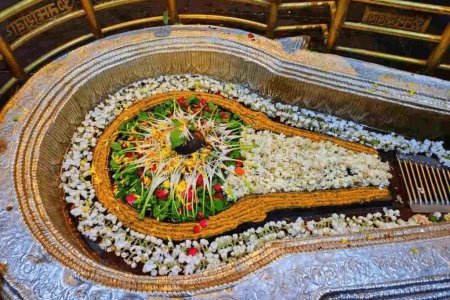
Trimbakeshwar Jyotirlinga, Nashik – The Sacred Three-Faced Jyotirlinga Introduction Trimbakeshwar Jyotirlinga, located approximately 28 km from Nashik, Maharashtra, is one of the most revered Hindu pilgrimage destinations in the region. The ancient temple is dedicated to Lord Shiva and is one of the 12 Jyotirlingas traditionally worshipped across India. Located at the foothills of the Brahmagiri Hills, Trimbakeshwar is also an important spiritual destination associated with the origin of the Godavari River. History of Trimbakeshwar Temple The present temple was constructed in 1755 by Peshwa Balaji Baji Rao. The temple is built primarily from black basalt stone and showcases traditional Indian temple architecture with intricate stone craftsmanship. Its historic architecture and religious significance make Trimbakeshwar an important part of Maharashtra's pilgrimage heritage. Unique Three-Faced Jyotirlinga One of the most distinctive features of Trimbakeshwar Jyotirlinga is the sacred three-faced form associated with the Hindu Trinity: Lord Brahma Lord Vishnu Lord Shiva This unique representation is an important reason for the temple's special religious significance among devotees. Religious Significance Trimbakeshwar is considered one of the most sacred Shiva temples in Maharashtra. The temple is associated with: Jyotirlinga pilgrimage Lord Shiva worship Brahmagiri Hills Origin of the Godavari River Hindu religious traditions Nashik Kumbh Mela and Simhastha pilgrimage Trimbakeshwar and Nashik Kumbh Mela Trimbakeshwar holds special importance during the Nashik Kumbh Mela (Simhastha). The town and surrounding pilgrimage sites attract large numbers of devotees during the Kumbh period. Trimbakeshwar is an important part of the religious circuit connecting Trimbakeshwar, Brahmagiri Hills, Kushavarta Kund, and Nashik. Nearby Attractions Visitors can explore several important spiritual and natural attractions around Trimbakeshwar: Kushavarta Kund Brahmagiri Hills Godavari River origin region Sant Nivruttinath Maharaj Samadhi Mandir Anjaneri Hills Trimbakeshwar town and surrounding temples Best Time to Visit The cooler months from October to March are generally comfortable for pilgrimage and sightseeing. Important religious occasions such as Mahashivratri, Shravan Mondays, and the Nashik Kumbh Mela can attract large crowds. How to Reach Trimbakeshwar By Road Trimbakeshwar is approximately 28 km from Nashik and can be reached by buses, taxis, and private vehicles. By Rail The nearest major railway station is Nashik Road Railway Station, from where visitors can continue by road. By Air The nearest airport is Nashik Airport (Ozar), followed by a road journey to Trimbakeshwar. Why Visit Trimbakeshwar Jyotirlinga? Trimbakeshwar offers a combination of ancient temple heritage, Lord Shiva worship, Jyotirlinga significance, the unique three-faced sacred form, and the scenic Brahmagiri Hills. Its close connection with Nashik and the Kumbh Mela also makes it an important destination for pilgrims exploring Maharashtra. Conclusion Trimbakeshwar Jyotirlinga, Nashik is a major Hindu pilgrimage destination known for its ancient black-stone temple and distinctive three-faced sacred form associated with Brahma, Vishnu, and Shiva. Located near Nashik and surrounded by the spiritual landscape of Trimbakeshwar and Brahmagiri Hills, the temple is an essential destination for visitors exploring the Nashik–Trimbakeshwar pilgrimage circuit.  

दिशा-निर्देश पाएं
पवित्र स्नान स्थल

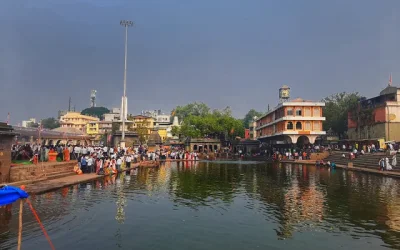
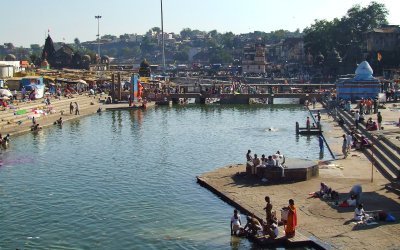
नाशिक कुंभ मेला में पूजा घाट

गोदावरी नदी के सबसे पवित्र घाट खोजें जहाँ तीर्थयात्री दिव्य सिंहस्थ कुंभ मेला के दौरान पवित्र स्नान, अनुष्ठान, दीप दान और आध्यात्मिक समारोहों के लिए एकत्रित होते हैं।