Ramkund, Nashik is one of the most sacred and culturally significant pilgrimage sites in Maharashtra. Located on the banks of the holy Godavari River in Panchavati, Ramkund is deeply associated with the religious traditions of Lord Rama and the ancient heritage of Nashik.
According to Hindu tradition, Lord Rama, Goddess Sita and Lord Lakshmana spent part of their exile in Panchavati, and Lord Rama is believed to have bathed at this sacred spot. Today, Ramkund attracts pilgrims and tourists throughout the year for holy bathing, religious rituals, ancestral ceremonies and spiritual experiences.
The site becomes especially significant during major religious occasions, including the Nashik Kumbh Mela, when large numbers of pilgrims gather around the Godavari ghats.
The history of Ramkund is closely connected with the ancient religious traditions of Panchavati and the Ramayana.
According to Hindu belief, Lord Rama, Sita and Lakshmana stayed in the Panchavati region during their exile. Lord Rama is traditionally believed to have bathed at the location that later came to be known as Ramkund.
Over the centuries, Ramkund developed into an important pilgrimage centre on the banks of the Godavari River. The surrounding temples, ghats and religious traditions have contributed to its importance in Nashik's cultural and spiritual heritage.
Ramkund is regarded as one of the most sacred places associated with the Godavari River in Nashik.
Devotees traditionally visit the kund to take a holy dip and perform religious rituals. According to Hindu belief, bathing in the sacred waters is associated with spiritual purification.
Ramkund is also an important place for performing Asthi Visarjan and Shraddha rituals for departed ancestors. Families visit the ghats to perform these traditional ceremonies according to Hindu customs.
Because of its religious importance and connection with Panchavati, Ramkund remains an important pilgrimage destination for devotees visiting Nashik.
Ramkund holds a particularly important place in the Nashik Kumbh Mela tradition.
During the Kumbh Mela, large numbers of pilgrims gather in Nashik to participate in sacred bathing and religious activities along the Godavari River and its ghats.
The atmosphere around Ramkund becomes especially vibrant during major religious events, with devotees, sadhus and visitors coming together for prayers and pilgrimage activities.
Visitors planning to explore Ramkund during the Kumbh Mela should expect significant crowds and should allow additional time for travel and movement around the Panchavati area.
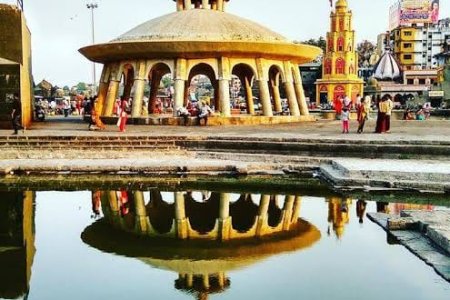
Ramkund is a beautifully constructed stone water tank surrounded by traditional ghats and temples.
Wide stone steps lead down towards the sacred waters, allowing devotees to reach the kund for bathing and religious rituals. The surrounding architecture reflects the traditional character of old Nashik and Panchavati.
The nearby temples and Godavari ghats create a peaceful yet devotional atmosphere. During festivals and evening prayer activities, the area becomes particularly lively and culturally vibrant.
For photographers and heritage enthusiasts, the combination of the river, stone ghats, temples and traditional surroundings provides an interesting glimpse into Nashik's historic character.
Ramkund is situated in Panchavati, one of the most important religious areas of Nashik.
Panchavati is strongly associated with the Ramayana traditions surrounding Lord Rama, Sita and Lakshmana. Several temples, caves and sacred places are located within or around this area.
Because many attractions are located relatively close to one another, visitors can explore Ramkund as part of a Panchavati spiritual and heritage walking itinerary.
Ramkund can be visited throughout the year.
For comfortable sightseeing, October to March is generally a pleasant period because of the comparatively cooler weather.
The site also becomes particularly active during religious festivals and occasions such as:
Ram Navami
Makar Sankranti
Mahashivratri
Nashik Kumbh Mela
During major festivals, the number of devotees can increase significantly. Visitors should therefore plan their travel and local transportation accordingly.
For a quieter experience, early morning can be a good time to explore the ghats and surrounding Panchavati area.
Nashik Airport (Ozar) is the nearest airport. From the airport, visitors can continue towards Nashik city and Panchavati using taxis or other road transport.
Nashik Road Railway Station is approximately 10 km from Ramkund. Visitors can reach Panchavati by taxi, auto-rickshaw, bus or private vehicle.
Ramkund is well connected with different parts of Nashik by local buses, taxis, auto-rickshaws and private vehicles.
As Ramkund is located in the busy Panchavati area, traffic and parking conditions can vary, particularly during weekends, festivals and major religious events.
Ramkund is surrounded by several important religious and cultural attractions, making it an ideal starting point for exploring Panchavati.
A historic temple dedicated to Lord Rama, located in the Panchavati area.
A popular religious attraction associated with the Ramayana tradition and the stay of Sita in Panchavati.
An important Shiva temple situated close to Ramkund and the Godavari River ghats.
One of Nashik's most significant pilgrimage and heritage areas, associated with the Ramayana traditions.
A religiously significant area near Panchavati associated with the traditions surrounding Lord Rama and the Ramayana.
The ghats along the Godavari River provide opportunities for prayer, religious rituals, cultural experiences and riverside sightseeing.
Ramkund is famous as a sacred pilgrimage site on the banks of the Godavari River in Panchavati, Nashik. It is associated with Lord Rama and is an important place for holy bathing and Hindu religious rituals.
Ramkund is located in Panchavati, Nashik, Maharashtra, on the banks of the Godavari River.
According to Hindu tradition, Lord Rama is believed to have bathed at this sacred spot during his exile. Devotees therefore consider Ramkund an important pilgrimage site for religious bathing and rituals.
Yes, Ramkund is traditionally associated with Asthi Visarjan and Shraddha rituals performed for ancestors.
Yes. Ramkund and the surrounding Godavari ghats become important pilgrimage areas during the Nashik Kumbh Mela, attracting large numbers of devotees for sacred bathing and religious activities.
Ramkund can be visited throughout the year. October to March is generally comfortable for sightseeing, while festival periods offer a more vibrant religious atmosphere but can also be considerably more crowded.
Ramkund is approximately 10 km from Nashik Road Railway Station, depending on the route.
Popular nearby attractions include Kalaram Temple, Sita Gufa, Kapaleshwar Temple, Panchavati, Tapovan and the Godavari Ghats.
Yes. While Ramkund is primarily a religious destination, tourists can also visit to experience Nashik's history, architecture, riverfront ghats, culture and Panchavati heritage.
Ramkund offers an opportunity to experience the spiritual and cultural heart of Nashik.
Its connection with the Ramayana tradition, location on the Godavari River, historic stone ghats and proximity to important temples make it an essential destination for pilgrims exploring Nashik.
For travellers, the surrounding Panchavati area also provides a chance to experience the city's religious traditions, heritage architecture and local culture in one journey.
Ramkund, Nashik is much more than a sacred water tank. It is an important part of Nashik's religious identity and the spiritual heritage of Panchavati.
Associated with Lord Rama according to Hindu tradition, surrounded by historic temples and ghats, and located beside the Godavari River, Ramkund continues to attract devotees and travellers throughout the year.
Whether you are visiting Nashik for pilgrimage, exploring the Ramayana heritage of Panchavati, or planning a journey during the Nashik Kumbh Mela, a visit to Ramkund offers an opportunity to experience the deep spiritual and cultural character of the city.
Local Tips & Insider Advice for Nashik Kumbh Mela Visitors Visit early in the morning if you prefer a comparatively peaceful atmosphere. Wear comfortable footwear because exploring Ramkund and nearby Panchavati attractions involves walking. Dress respectfully, particularly when entering temples or participating in religious activities. Follow local customs when visiting the ghats and temples. If you are performing Asthi Visarjan or Shraddha rituals, make arrangements with appropriate local religious service providers. Be careful near the water and supervise children closely. Avoid entering the river or kund during unsafe water conditions. Keep valuables secure, particularly when the area is crowded. Do not litter around the ghats or religious premises. During major festivals and Kumbh Mela periods, allow additional time for traffic, security checks and crowd movement. Carry drinking water, especially when exploring several nearby attractions on foot. For current festival arrangements, access restrictions or crowd-management information, check local and official updates before travelling.
Budget Rooms in Nashik | Guest Houses in Nashik | Hotels in Nashik | Lodges in Nashik | Tent Bookings in Nashik
Astrologers in Nashik | Autos/Taxis in Nashik | Bus Services in Nashik | Car Rentals in Nashik | Hospitals in Nashik | Pandits in Nashik | Puja Bookings in Nashik | Tour & Travels in Nashik
Shree Sant Nivruttinath Maharaj Samadhi Mandir, Trimbakeshwar, Nashik | Shri Swaminarayan Mandir, Nashik | Kevdiban Mhasoba Maharaj Temple, Nashik | Tringalwadi Fort, Igatpuri, Nashik | Ghatandevi Temple, Igatpuri, Nashik | Dhamma Giri Vipassana Centre, Igatpuri, Nashik | Vaitarna Dam, Igatpuri, Nashik | Kushavarta Kund, Trimbakeshwar, Nashik | Renuka Mata Mandir, Chandwad, Nashik | Ganga Godavari Temple, Nashik | Kalsubai Trek, Nashik | Ramshej Fort, Nashik | नाशिक के आकर्षण में सभी देखें