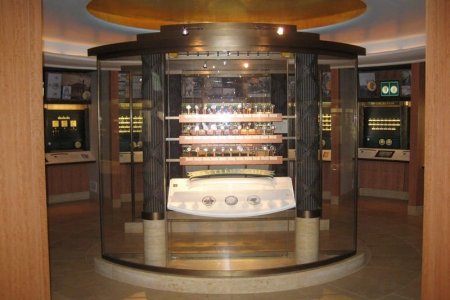
Located on the Nashik–Trimbakeshwar Road near Anjaneri, the Coin Museum is one of Nashik's most interesting attractions for people curious about India's history, currency, archaeology, and culture.
Also known as the Shanti-Krishna Museum of Money and History, the museum was established in 1980 under the Indian Institute of Research in Numismatic Studies (IIRNS). It is known for preserving and presenting the story of Indian currency through rare coins, historical records, artifacts, and educational exhibits.
Surrounded by the scenic Anjaneri Hills, the Coin Museum offers a different experience from Nashik's temples and pilgrimage destinations. It is particularly suitable for students, families, history enthusiasts, researchers, and coin collectors.
The Coin Museum was established with the objective of educating visitors about the evolution of Indian currency and monetary systems from ancient times to the modern era.
Over the years, the institution developed into an important center for numismatic research and preservation. Its collections include rare coins, historical documents, artifacts, and other objects that help explain India's economic and cultural development.
In 2018, the museum expanded its scope and was renamed the Shanti-Krishna Museum of Money and History. The expanded museum also introduced exhibits related to areas such as archaeology, anthropology, and natural history.
Numismatics is the study and collection of coins, currency, medals, tokens, and related historical objects.
The Coin Museum provides visitors with an opportunity to understand how coins can reveal information about different periods of Indian history, including political changes, trade, technology, art, and economic systems.
For students and history enthusiasts, the museum offers a practical way to connect historical information with physical artifacts.
The museum houses a diverse collection representing different periods of Indian monetary history.
Visitors can explore exhibits featuring:
Punch-marked coins represent some of the earliest forms of coinage in the Indian subcontinent and provide an insight into ancient monetary practices.
The collection includes coins associated with important historical periods and dynasties, including the Maurya, Gupta, Kushan, Mughal, and Maratha periods.
Visitors can also explore examples from the period of British India and later stages of Indian currency development.
The museum displays objects associated with the production of coins, helping visitors understand how coins were designed and manufactured.
Exhibits explain various traditional and historical methods used in the production and minting of coins.
The museum's collections extend beyond coins and include bronze, terracotta, and other historical objects.
Historical paintings and archaeological exhibits add cultural context to the monetary collections.
Together, these exhibits help visitors understand the relationship between currency, society, politics, trade, art, and technology across different periods of Indian history.
The Coin Museum is particularly valuable for visitors who want to learn rather than simply view historical objects.
Informative displays, galleries, and educational activities help explain:
How coins evolved over time
How coins were designed and produced
Different historical coin-making techniques
How currency changed across different dynasties
The role of coins in understanding ancient societies
The relationship between money, trade, and economic history
The institution also maintains a significant numismatic reference collection for research and academic study.
The museum can be an interesting educational destination for school and college students, researchers, history enthusiasts, archaeology students, and coin collectors.
A visit allows students to see historical objects directly and understand how physical evidence can help researchers study different periods of Indian history.
Families traveling with children can also include the museum in a Nashik itinerary as an educational sightseeing experience.
The Coin Museum is located near Anjaneri, an area known for its scenic landscape and religious significance.
Because of its location on the Nashik–Trimbakeshwar Road, visitors can combine the museum with other attractions in the region, depending on their available time.
A trip to the Coin Museum can therefore become part of a broader Nashik–Trimbakeshwar sightseeing itinerary.
The period from October to March is generally considered a comfortable time to visit Nashik because of the pleasant weather.
This period is particularly convenient if you are planning to combine the museum with outdoor destinations such as Anjaneri Hills or other attractions on the Nashik–Trimbakeshwar route.
Before visiting, it is advisable to check the latest museum opening hours, entry rules, holidays, and visitor guidelines.
The Coin Museum is located approximately 19–20 km from Nashik City on the Nashik–Trimbakeshwar Road, near Anjaneri.
Visitors can reach the museum by:
Private car
Taxi
Self-drive vehicle
Local or regional bus services
The museum's location along an important tourist route makes it convenient to combine with nearby attractions.
The nearest major railway station is Nashik Road Railway Station.
From the railway station, visitors can continue toward the museum by taxi, private vehicle, or bus depending on availability.
The nearest airport is Nashik Airport at Ozar.
Visitors arriving by air can use a taxi or private vehicle to travel toward the Nashik–Trimbakeshwar Road and the Coin Museum.
The museum's location makes it possible to combine the visit with several important destinations around Nashik and Trimbakeshwar.
Depending on your itinerary, nearby attractions may include:
Anjaneri Hills
Trimbakeshwar Temple
Nashik–Trimbakeshwar scenic route
Other religious and cultural attractions around Trimbakeshwar
Natural attractions in the surrounding Sahyadri region
This makes the Coin Museum a useful stop for travelers planning a Nashik heritage, educational, cultural, or family tour.
The Coin Museum is located on the Nashik–Trimbakeshwar Road near Anjaneri, approximately 19–20 km from Nashik City.
The museum is famous for its collection of Indian coins, currency-related objects, historical artifacts, archaeological exhibits, and numismatic research resources.
The Coin Museum was established in 1980 under the Indian Institute of Research in Numismatic Studies (IIRNS).
The Shanti-Krishna Museum of Money and History is the expanded form of the Coin Museum, with exhibits covering money and history along with areas such as archaeology, anthropology, and natural history.
The collection includes examples associated with ancient punch-marked coins, Maurya, Gupta, Kushan, Mughal, Maratha, British India, and modern Indian currency.
Yes. The museum can be an educational destination for students, families, history enthusiasts, and young learners interested in Indian history and currency.
Numismatics is the study and collection of coins, currency, medals, tokens, and related historical objects.
The museum is approximately 19–20 km from Nashik City via the Nashik–Trimbakeshwar Road.
Yes. The museum is located on the Nashik–Trimbakeshwar route, making it convenient to combine with a wider Trimbakeshwar sightseeing itinerary.
Nashik Airport at Ozar is the nearest airport mentioned for reaching the museum.
The Coin Museum, Nashik offers a completely different experience from the city's famous temples and pilgrimage sites.
Instead of focusing only on religious heritage, the museum takes visitors through the history of Indian money, trade, technology, art, archaeology, and society.
Its location near Anjaneri and the Nashik–Trimbakeshwar Road also makes it easy to combine with other attractions. Whether you are a student, researcher, coin collector, history lover, or family traveler, the museum provides an opportunity to discover India's past through its fascinating monetary heritage.
Coin Museum, Nashik, also known as the Shanti-Krishna Museum of Money and History, is a unique cultural and educational destination near Anjaneri.
From ancient punch-marked coins and historic dynastic currency to British India and modern Indian coins, the museum presents a fascinating story of how money evolved alongside Indian society.
With its valuable collections, educational exhibits, and location on the Nashik–Trimbakeshwar Road, the Coin Museum is an excellent addition to a Nashik heritage, educational, family, or cultural travel itinerary.
Local Tips & Insider Advice for Visitors Check the museum's latest opening hours and visitor guidelines before starting your journey. Allow enough time to explore the exhibits rather than treating the museum as a quick sightseeing stop. Students and researchers may find the museum particularly useful for understanding Indian monetary history. If traveling with children, explain a few basic concepts about ancient coins beforehand to make the visit more engaging. Combine the museum with Anjaneri Hills or Trimbakeshwar if you are already traveling on the Nashik–Trimbakeshwar route. Carry comfortable footwear if your itinerary includes outdoor attractions nearby. During monsoon travel, check weather and road conditions before heading toward Anjaneri and Trimbakeshwar. Photography and other visitor activities should follow the museum's current rules and instructions.
Budget Rooms in Nashik | Guest Houses in Nashik | Hotels in Nashik | Lodges in Nashik | Tent Bookings in Nashik
Astrologers in Nashik | Autos/Taxis in Nashik | Bus Services in Nashik | Car Rentals in Nashik | Hospitals in Nashik | Pandits in Nashik | Puja Bookings in Nashik | Tour & Travels in Nashik
Shree Sant Nivruttinath Maharaj Samadhi Mandir, Trimbakeshwar, Nashik | Shri Swaminarayan Mandir, Nashik | Kevdiban Mhasoba Maharaj Temple, Nashik | Tringalwadi Fort, Igatpuri, Nashik | Ghatandevi Temple, Igatpuri, Nashik | Dhamma Giri Vipassana Centre, Igatpuri, Nashik | Vaitarna Dam, Igatpuri, Nashik | Kushavarta Kund, Trimbakeshwar, Nashik | Renuka Mata Mandir, Chandwad, Nashik | Ganga Godavari Temple, Nashik | Kalsubai Trek, Nashik | Ramshej Fort, Nashik | नाशिक के आकर्षण में सभी देखें