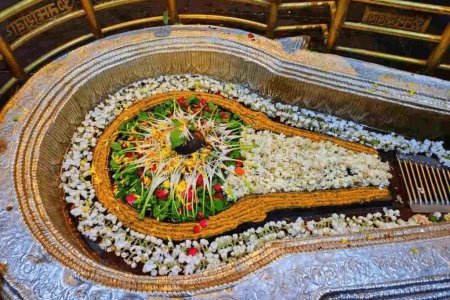
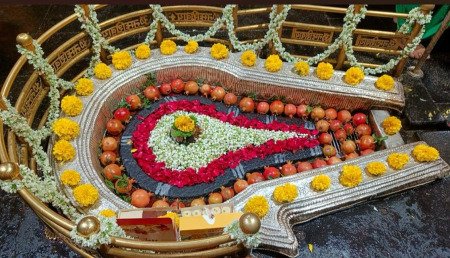
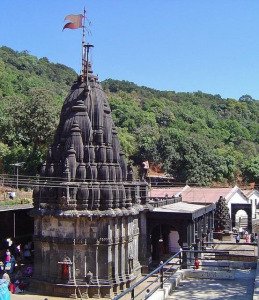
Bhimashankar Jyotirlinga, located in the Sahyadri Hills of Maharashtra's Pune district, is one of the 12 sacred Jyotirlingas dedicated to Lord Shiva.
Surrounded by dense forests, mountains, and scenic landscapes, Bhimashankar is both an important pilgrimage destination and a popular place for nature lovers, trekkers, and wildlife enthusiasts.
The temple is situated at an altitude of approximately 1,000 metres (3,280 feet) above sea level and is associated with the Bhimashankar Wildlife Sanctuary.
According to Hindu mythology, Bhimashankar is associated with the demon Bhima, who is said to have troubled the region.
According to the traditional legend:
As one of the twelve Jyotirlingas, Bhimashankar holds an important place in Hindu pilgrimage traditions.
The Bhimashankar Temple is known for its traditional stone architecture and intricate craftsmanship.
Important architectural features include:
The combination of ancient architecture and the surrounding Sahyadri landscape creates a distinctive pilgrimage experience.
The temple is surrounded by the Bhimashankar Wildlife Sanctuary, making the destination particularly attractive to visitors interested in nature and wildlife.
The sanctuary region is known for:
Visitors should follow forest regulations and avoid disturbing wildlife.
Visitors can explore several religious, natural, and adventure attractions around Bhimashankar:
These attractions make Bhimashankar suitable for pilgrims as well as nature and adventure enthusiasts.
Bhimashankar is a popular destination for trekking, especially during and after the monsoon season.
Visitors can enjoy:
Trekking routes may become slippery during the monsoon, so appropriate footwear and caution are important.
Several important religious occasions are celebrated at Bhimashankar Temple, including:
One of the most important festivals dedicated to Lord Shiva, attracting large numbers of devotees.
Mondays during the holy month of Shravan are considered especially significant for Shiva worship.
Devotees visit the temple for prayers and religious observances.
The festival is observed with traditional religious activities.
Special prayers and worship are performed on Pradosh days.
The best time for comfortable sightseeing and pilgrimage is generally October to March, when the weather is cooler.
From June to September, the Sahyadri landscape becomes lush green and waterfalls and streams become more prominent. This period is particularly attractive to trekkers and nature lovers, although heavy rainfall can make roads and trekking trails challenging.
Bhimashankar is approximately:
Buses, taxis, and private vehicles are available from major cities in Maharashtra.
The nearest major railway station is Pune Junction. From Pune, visitors can continue by road.
The nearest major airport is Pune International Airport, followed by a road journey to Bhimashankar.
Bhimashankar can be included in a broader Nashik–Pune pilgrimage and tourism route.
For visitors travelling from Nashik, the destination offers a combination of:
Bhimashankar brings together religious significance, ancient temple architecture, Sahyadri landscapes, wildlife, and trekking opportunities.
It is a destination where pilgrims can visit a sacred Jyotirlinga while travellers can explore the natural beauty of the surrounding mountains and forests.
Bhimashankar Jyotirlinga is one of Maharashtra's important Shiva pilgrimage destinations and one of the twelve Jyotirlingas traditionally revered in Hinduism. Located amidst the Sahyadri Hills and surrounded by forest landscapes, it offers a combination of spiritual heritage, temple architecture, nature, and adventure.
For travellers exploring Maharashtra, Bhimashankar can be an important destination on a Nashik, Pune, and Sahyadri pilgrimage-tourism circuit.
Travel Tips Wear comfortable footwear, especially if you plan to trek. Carry rain protection during the monsoon. Start trekking early and follow marked routes. Respect temple customs and local religious traditions. Follow wildlife sanctuary rules. Avoid littering in forest and pilgrimage areas. During Mahashivratri and other major festivals, expect large crowds
Budget Rooms in Nashik | Guest Houses in Nashik | Hotels in Nashik | Lodges in Nashik | Tent Bookings in Nashik
Astrologers in Nashik | Autos/Taxis in Nashik | Bus Services in Nashik | Car Rentals in Nashik | Hospitals in Nashik | Pandits in Nashik | Puja Bookings in Nashik | Tour & Travels in Nashik
Shree Sant Nivruttinath Maharaj Samadhi Mandir, Trimbakeshwar, Nashik | Shri Swaminarayan Mandir, Nashik | Kevdiban Mhasoba Maharaj Temple, Nashik | Tringalwadi Fort, Igatpuri, Nashik | Ghatandevi Temple, Igatpuri, Nashik | Dhamma Giri Vipassana Centre, Igatpuri, Nashik | Vaitarna Dam, Igatpuri, Nashik | Kushavarta Kund, Trimbakeshwar, Nashik | Renuka Mata Mandir, Chandwad, Nashik | Ganga Godavari Temple, Nashik | Kalsubai Trek, Nashik | Ramshej Fort, Nashik | नाशिक के आकर्षण में सभी देखें