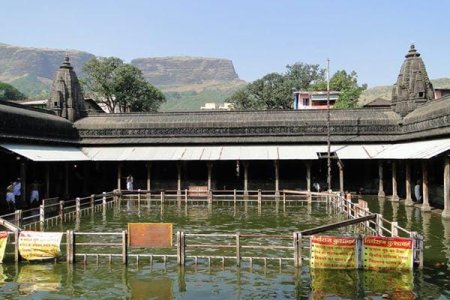
Kushavarta Kund, Trimbakeshwar, Nashik – The Sacred Origin of the Godavari River Kushavarta Kund is one of the most sacred pilgrimage sites in Trimbakeshwar, Nashik, Maharashtra. Located close to the famous Trimbakeshwar Jyotirlinga Temple, this ancient holy water tank is traditionally regarded as the symbolic origin point of the Godavari River. For centuries, devotees have visited Kushavarta Kund to perform sacred rituals and take a holy bath. The site holds exceptional importance during the Simhastha Kumbh Mela, when millions of pilgrims gather in Nashik and Trimbakeshwar. Religious Significance According to Hindu tradition, the Godavari River originates from Brahmagiri Hill, near Trimbakeshwar. Legend states that Sage Gautama performed penance to bring the sacred Ganga to Earth. Lord Shiva was pleased with his devotion, and the divine river appeared in the Brahmagiri region. The river is traditionally associated with the name Gautami Ganga. Kushavarta Kund is considered the place where the sacred river becomes visible and begins its journey toward the plains. Because of this, the kund is regarded as extremely sacred by Hindu devotees. Why Is It Called Kushavarta? The name Kushavarta is associated with Sage Gautama and the sacred Godavari tradition. The word is commonly interpreted as referring to the place where the Godavari's flow was spiritually contained or turned back. This connection with Sage Gautama gives the kund an important place in the religious traditions of Trimbakeshwar. Kushavarta Kund and Trimbakeshwar Jyotirlinga Kushavarta Kund is located very close to the Trimbakeshwar Jyotirlinga Temple, one of the twelve Jyotirlingas dedicated to Lord Shiva. Many pilgrims visiting Trimbakeshwar follow a traditional pilgrimage route that includes: 1. Trimbakeshwar Jyotirlinga Temple 2. Kushavarta Kund 3. Brahmagiri Hill 4. Gangadwar 5. Other sacred sites around Trimbakeshwar This makes Kushavarta an important part of the Trimbakeshwar pilgrimage experience. Importance During Nashik Kumbh Mela Kushavarta Kund has special importance during the Nashik–Trimbakeshwar Simhastha Kumbh Mela. The Kumbh Mela is associated with sacred bathing in the Godavari and attracts millions of devotees, sadhus, saints, and pilgrims. Trimbakeshwar is one of the two principal Kumbh Mela locations in Nashik district, with the other major pilgrimage area being Nashik city around the Godavari riverfront. During the Kumbh Mela, the Trimbakeshwar area experiences large crowds and extensive arrangements for pilgrims, security, transportation, sanitation, and crowd management. Visitors should follow official instructions regarding bathing areas, routes, timings, and crowd restrictions. Architecture of Kushavarta Kund Kushavarta Kund is a traditional stone-built sacred water tank surrounded by religious structures and pathways. The architecture reflects the historic character of Trimbakeshwar's pilgrimage landscape. The steps leading toward the water allow devotees to approach the kund for religious rituals. The surrounding area provides a strong sense of the ancient spiritual heritage of Trimbakeshwar. Religious Rituals Devotees visit Kushavarta Kund for various religious activities, including: - Holy bathing - Prayer and meditation - Pind Daan and ancestral rituals - Shraddha ceremonies - Offering prayers to the Godavari - Religious sankalpa and puja Some rituals may require the assistance of authorized priests. Visitors should use recognized temple or local religious services and confirm current rules before performing ceremonies. Best Time to Visit Kushavarta Kund can be visited throughout the year. Monsoon – June to September The surrounding Brahmagiri hills become lush green, creating beautiful scenery. However, visitors should be careful during heavy rainfall. Winter – October to February The pleasant weather makes this one of the best periods for pilgrimage and sightseeing. Festival Periods Major religious occasions can attract very large crowds. During Kumbh Mela and other important festivals, visitors should plan their journey carefully and follow official crowd-management instructions. How to Reach Kushavarta Kund By Road Kushavarta Kund is located in the heart of Trimbakeshwar town, approximately 30 km from Nashik city. Regular buses, taxis, and private vehicles connect Nashik with Trimbakeshwar. By Rail The nearest major railway station is Nashik Road Railway Station, approximately 40 km away. By Air The nearest airport is Nashik Airport (Ozar). Travellers can continue from the airport to Trimbakeshwar by taxi or other road transport. Nearby Attractions Visitors can explore several important places around Kushavarta Kund: - Trimbakeshwar Jyotirlinga Temple - Brahmagiri Hill - Gangadwar - Godavari River source - Nivruttinath Temple - Anjaneri Hill - Dugarwadi Waterfall - Harihar Fort These attractions make Trimbakeshwar an excellent destination for a combination of pilgrimage, heritage tourism, trekking, and nature exploration. Travel Tips - Visit early in the morning to avoid heavy crowds. - Wear modest clothing suitable for religious places. - Follow local customs and temple regulations. - Do not enter restricted areas. - Keep the kund and surrounding area clean. - Avoid using soaps or other substances in the sacred water. - Be careful on wet stone steps, especially during the monsoon. - During Kumbh Mela, follow police and administration instructions. - Check current temple and ritual arrangements before your visit. Conclusion Kushavarta Kund, Trimbakeshwar, is a sacred destination deeply connected with the religious traditions of the Godavari River, Sage Gautama, and Lord Shiva. Its proximity to the Trimbakeshwar Jyotirlinga and its importance during the Nashik–Trimbakeshwar Kumbh Mela make it one of the most significant pilgrimage sites in Nashik district. For pilgrims, the visit offers an opportunity to experience the spiritual heritage of Trimbakeshwar. For travellers, it provides a glimpse into the history, traditions, and sacred landscape surrounding the origin of the Godavari River.